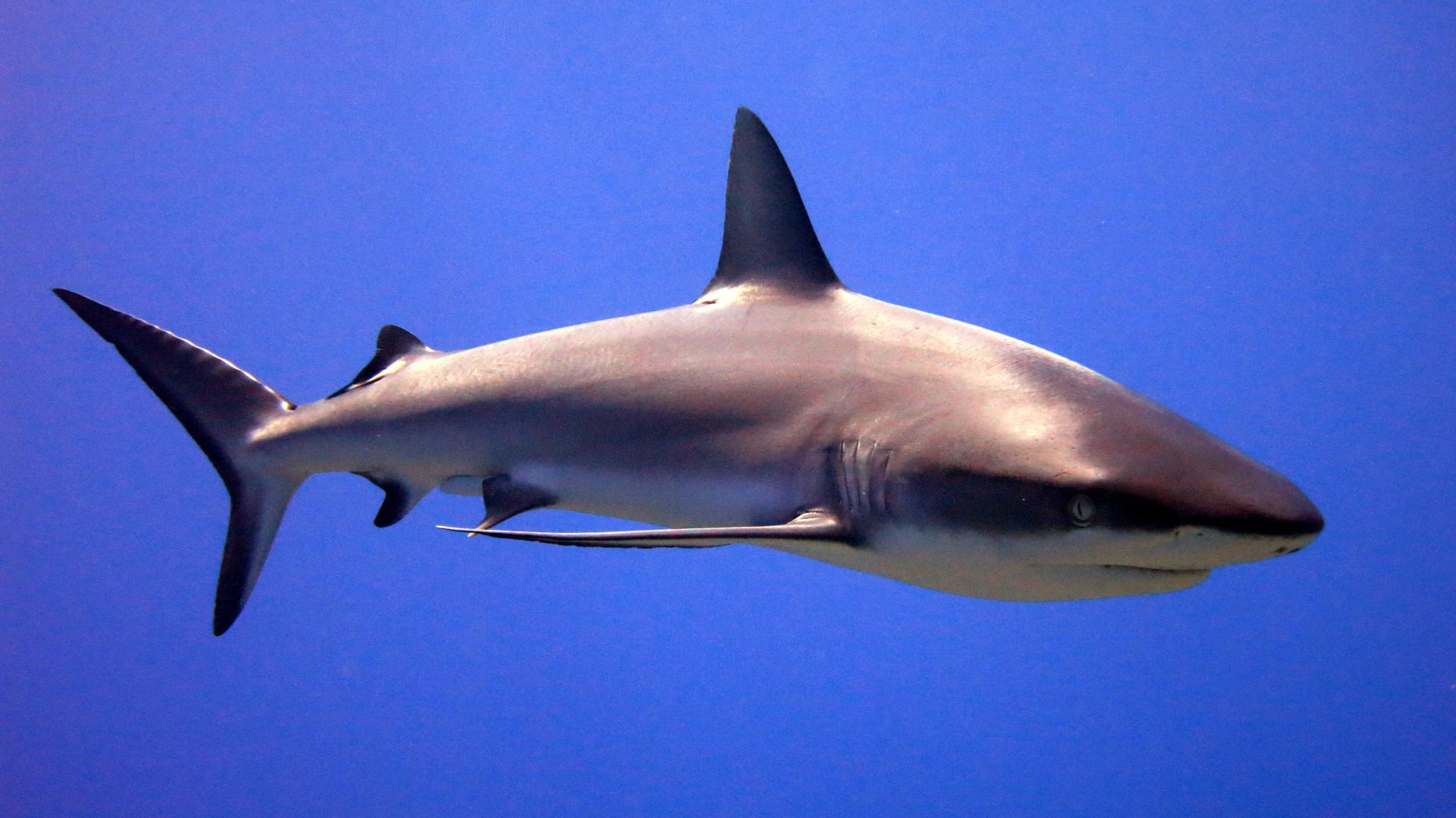
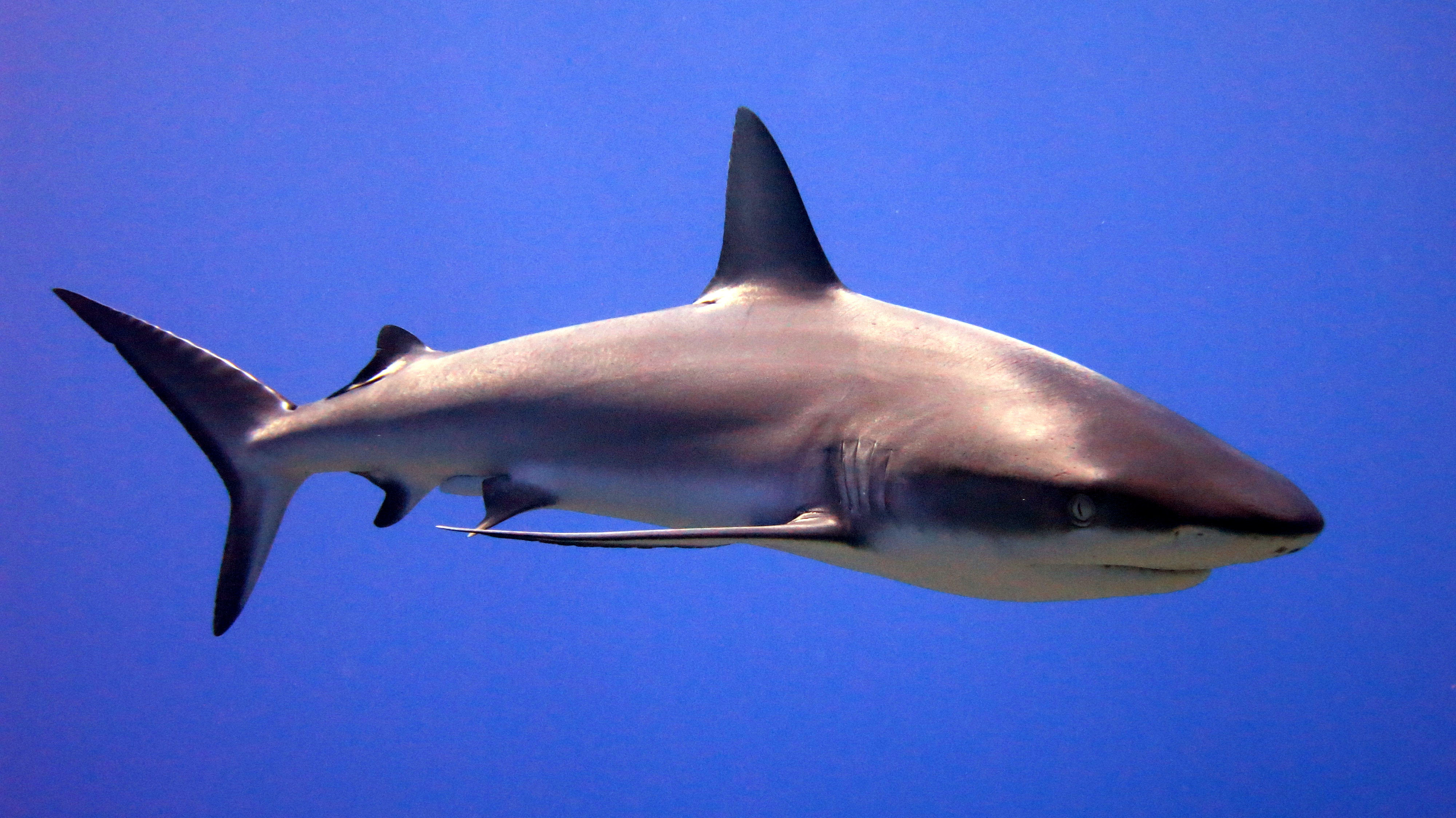
Baby sharks, often called pups, are fascinating creatures that begin life already well-adapted for
survival in the ocean. Unlike many fish that hatch as tiny, helpless larvae, shark pups are usually born looking like miniature versions of adult sharks, complete with fully formed fins, sharp teeth, and the instinct to hunt. Depending on the species, baby sharks may hatch from eggs (oviparous species) or be born live after developing inside the mother (viviparous species). Some sharks even produce egg cases sometimes called “mermaid’s purses,” which protect the developing embryo until it emerges. Once born, most baby sharks receive no parental care; they must immediately fend for themselves in the vast and often dangerous marine environment. To avoid predators—including larger sharks—they often stay in shallow coastal nursery areas such as mangroves, seagrass beds, and protected bays where food is plentiful and there is some shelter. Baby sharks typically feed on small fish, crustaceans, and other tiny marine animals while they grow stronger and larger. Their growth rate and survival depend on factors like food availability, water temperature, and habitat safety. Although many people think of sharks only as fierce predators, the early life of a shark is actually quite vulnerable, and many pups do not survive to adulthood due to predators, environmental changes, and human impacts such as overfishing and habitat
destruction. Because sharks generally produce relatively few offspring compared to many other fish, protecting nursery habitats and maintaining healthy oceans is especially important for ensuring
that baby sharks can grow into the powerful, vital predators that help keep marine ecosystems balanced
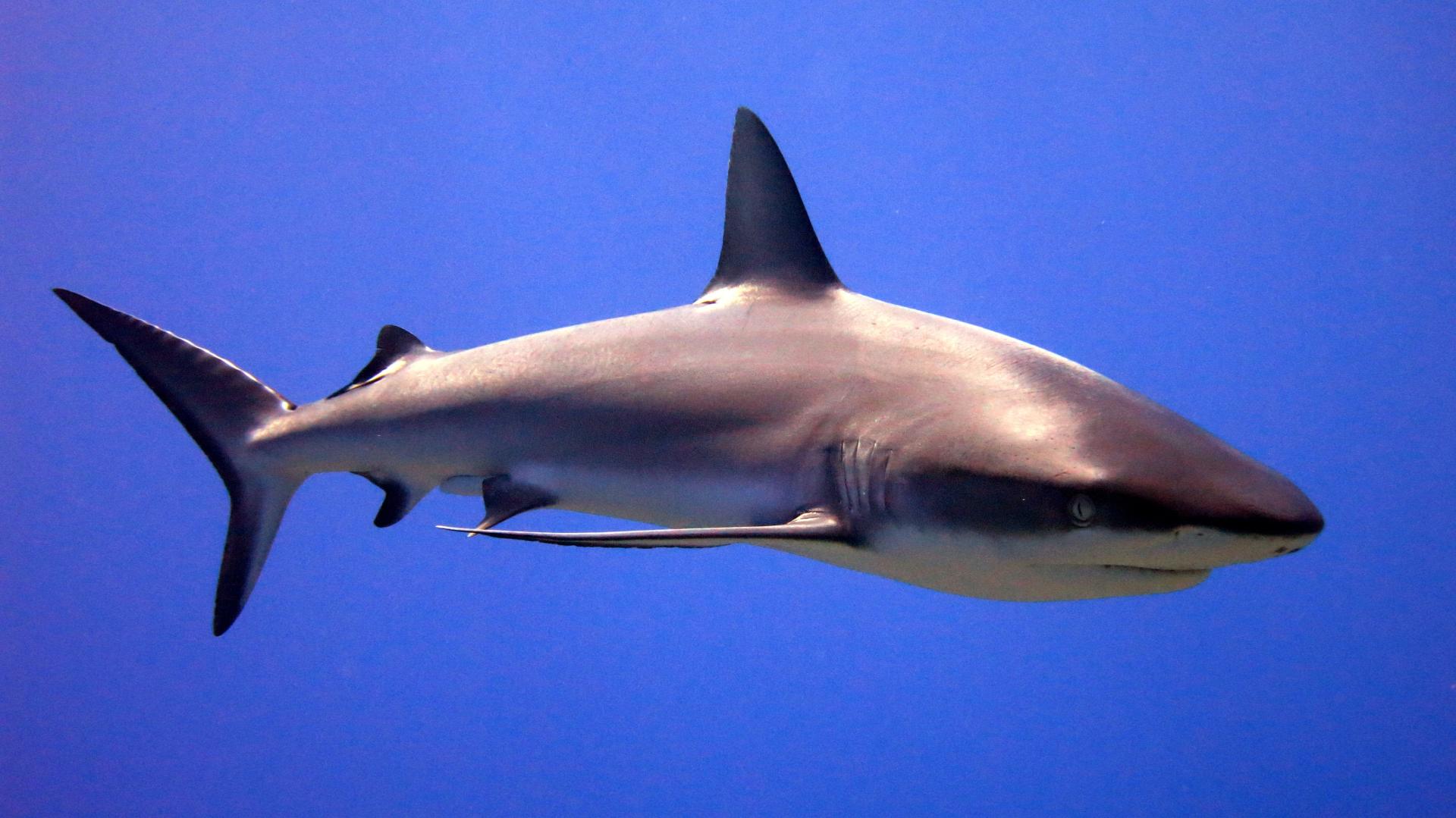
Baby sharks, often called pups, are fascinating creatures that begin life already well-adapted for
survival in the ocean. Unlike many fish that hatch as tiny, helpless larvae, shark pups are usually born looking like miniature versions of adult sharks, complete with fully formed fins, sharp teeth, and the instinct to hunt. Depending on the species, baby sharks may hatch from eggs (oviparous species) or be born live after developing inside the mother (viviparous species). Some sharks even produce egg cases sometimes called “mermaid’s purses,” which protect the developing embryo until it emerges. Once born, most baby sharks receive no parental care; they must immediately fend for themselves in the vast and often dangerous marine environment. To avoid predators—including larger sharks—they often stay in shallow coastal nursery areas such as mangroves, seagrass beds, and protected bays where food is plentiful and there is some shelter. Baby sharks typically feed on small fish, crustaceans, and other tiny marine animals while they grow stronger and larger. Their growth rate and survival depend on factors like food availability, water temperature, and habitat safety. Although many people think of sharks only as fierce predators, the early life of a shark is actually quite vulnerable, and many pups do not survive to adulthood due to predators, environmental changes, and human impacts such as overfishing and habitat
destruction. Because sharks generally produce relatively few offspring compared to many other fish, protecting nursery habitats and maintaining healthy oceans is especially important for ensuring
that baby sharks can grow into the powerful, vital predators that help keep marine ecosystems balanced
Read more
-(1)-concierge_home.jpg)


-large_thumb.jpg)
-large_thumb.jpg)




-(1)-concierge_full.jpg)


-banner_full.JPG)


-banner_full.jpeg)
-banner_full.JPG)
-banner_full.jpeg)


-(1)-banner_full.jpg)


-banner_full.jpg)
-banner_full.jpg)

-banner_full.jpg)