
34-Day Exploring From The British Isles To The Baltic
Dover | Cowes, Isle of Wight | Fowey | Bantry | Galway | Greencastle | Oban | Ullapool | Kirkwall, Orkney Islands | Leith | Dover | Leith | Lerwick, Shetland Islands | Haugesund | More...
Want to add a hotel stay or change your flights?
Just call our team of cruise specialists to help build your dream cruise holiday today!
Prices based on 2 people sharing. Cruise only price does not include flights. Fly-cruise price may vary by chosen UK airport.
Prices based on 1 solo passenger. Cruise only price does not include flights. Fly-cruise price may vary by chosen UK airport.
Prices based on 3 people sharing. Cruise only price does not include flights. Fly-cruise price may vary by chosen UK airport.
Prices based on 4 people sharing. Cruise only price does not include flights. Fly-cruise price may vary by chosen UK airport.
(Prices correct as of today’s date, are updated daily, are subject to change and represent genuine availability at time of update).
Cruise only holidays are financially protected by ABTA. Fly cruise holidays are financially protected by Seabourn under ATOL number 6294
Please click here to check the essential travel requirements before booking this cruise.
Dover
Known as the gateway of England, Dover welcomes millions of visitors from all over the globe each year in its role as the ferry capital of the world and the second busiest cruise port in the UK. The White Cliffs Country has a rich heritage. Within the walls of the town’s iconic castle... Known as the gateway of England, Dover welcomes millions of visitors from all over the globe each year in its role as the ferry capital of the world and the second busiest cruise port in the UK. The White Cliffs Country has a rich heritage. Within the walls of the town’s iconic castle, over 2,000 years of history waits to be explored, whilst the town’s museum is home to the Dover Bronze Age Boat, the world’s oldest known seagoing vessel. The town’s cliffs that are a welcome sight for today's cross-channel travellers also served as the control centre for the Dunkirk evacuation in 1940. Read More
Cowes, Isle of Wight
The 147-square-mile island with its pretty bays and thatched villages is like a miniature England. A well-preserved Victorian character dates from no other than Queen Victoria herself, who favored the island as her summer residence and made it her permanent home after the death of her... The 147-square-mile island with its pretty bays and thatched villages is like a miniature England. A well-preserved Victorian character dates from no other than Queen Victoria herself, who favored the island as her summer residence and made it her permanent home after the death of her husband, Prince Albert. Several other great names have close associations with the Isle of Wight, such as Tennyson, Dickens and Keats. The small port of Cowes at the northern tip of the island hosts every year in August Britain’s most prestigious sailing event – Cowes Week, often called “the yachtsman’s Ascot.”This is when the cozy and laid-back island bursts with visitors from all over, who fill the ranks of the island’s retired folk. Apart from being a haven for sailing craft, the world’s first hovercraft made its test runs here in the 1950s. For a place of relatively small size, the Isle of Wight packs a startling variety of landscapes and coastal scenery, ranging from a terrain of low-lying woodland and pasture to open chalky downland fringed by high cliffs. In addition, there are a number of historic buildings and a splendid array of well-preserved Victoriana. The town of Cowes is bisected by the Medina River, with West Cowes near the harbor being the old, pretty part, while East Cowes is more industrialized. Outside the suburbs stands Osborne House, Queen Victoria’s favorite residence. The grand mansion was largely designed by Albert, and the interior has been left very much as it was in the Queen’s lifetime. Around the island, some of the highlights include the Needles, three tall chalk stacks beneath the cliffs at the far west end of the island. The small village of Shanklin is known for its golden cliffs and a scenic steep ravine whose mossy, fern-filled woods have been embellished with tiny lights and thatched tea shops. The port of Yarmouth features an attractive fortress and quaint pubs in the main square. Pier Information The ship is scheduled to anchor off Cowes. Guests will be taken ashore via ship’s tender. Walking distance to the town center is approximately 5 minutes. Taxis are generally available for trips around the island. Shopping Shops in the town center of Cowes carry maritime items and yachting attire, local glassware and the famous Isle of Wight colored sand. Normal opening times are from 9:00 a.m. to 5:00 p.m. The local currency is the pound. Cuisine Not surprisingly, seafood is a good choice as well as other popular English fare. If you fancy lunch ashore, you may want to give the Amadeus Restaurant in Cowes a try, or stop in one of the local pubs for a quick meal and a cold beer. Other Sites Most of the island’s sights are covered in the organized excursions. Additionally, at the far west end of the island is the site of The Needles, a cluster of three tall chalk stacks beneath steep cliffs. The drive there takes about 45 minutes each way. Nearby is Alum Bay. The oxidized sandstone cliffs are popular for their multicolored sands, which are collected and arranged in diverse glass bottles, making popular souvenirs. Private arrangements are not encouraged in this port. Read More
Fowey
Nestled in the mouth of a wooded estuary, Fowey (pronounced Foy) is still very much a working china-clay port as well as a focal point for the sailing fraternity. Increasingly, it's also a favored home of the rich and famous. Good and varied dining and lodging options abound; these ar... Nestled in the mouth of a wooded estuary, Fowey (pronounced Foy) is still very much a working china-clay port as well as a focal point for the sailing fraternity. Increasingly, it's also a favored home of the rich and famous. Good and varied dining and lodging options abound; these are most in demand during Regatta Week in mid- to late August and the annual Fowey Festival of Words and Music in mid-May. The Bodinnick and Polruan ferries take cars as well as foot passengers across the river for the coast road on to Looe.A few miles west of Fowey are a pair of very different gardens: the Eden Project, a futuristic display of plants from around the world, and the Lost Gardens of Heligan, a revitalized reminder of the Victorian age. Read More
Bantry
Galway
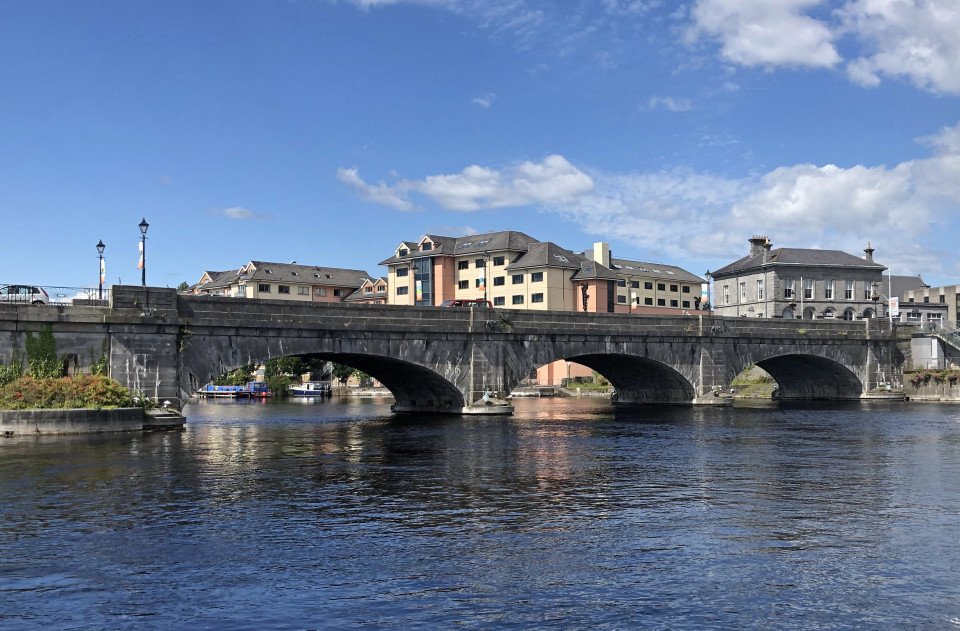
Galway is a city in the West of Ireland in the province of Connacht. It lies on the River Corrib between Lough Corrib and Galway Bay and is surrounded by County Galway. It is the fourth most populous urban area in the Republic of Ireland and the sixth most populous city in the island... Galway is a city in the West of Ireland in the province of Connacht. It lies on the River Corrib between Lough Corrib and Galway Bay and is surrounded by County Galway. It is the fourth most populous urban area in the Republic of Ireland and the sixth most populous city in the island of Ireland. It is both a picturesque and lively city with a wonderful avant-garde culture and a fascinating mixture of locally owned speciality shops, often featuring locally made crafts. Indeed local handcrafts are a feature of the entire region including hand knits, pottery, glass, jewellery and woodwork. The city’s hub is 18th-century Eyre Square, a popular meeting spot surrounded by shops, and traditional pubs that often offer live Irish folk music. Nearby, stone-clad cafes, boutiques and art galleries line the winding lanes of the Latin Quarter, which retains portions of the medieval city walls. The city bears the nickname "The City of the Tribes" because "fourteen tribes" of merchant families led the city in its Hiberno-Norman period. The merchants would have seen themselves as Irish gentry and loyal to the King. They later adopted the term as a badge of honour and pride in defiance of the town's Cromwellian occupier. Read More
Greencastle
Oban
Oban, "little bay" in Gaelic, today has a resident population of 8,500 and is the unofficial capital of the West Highlands - the "Gateway to the Isles." The panoramic views of the mountains, lochs and islands which have captivated artists, authors, composers, and poets for centuries a... Oban, "little bay" in Gaelic, today has a resident population of 8,500 and is the unofficial capital of the West Highlands - the "Gateway to the Isles." The panoramic views of the mountains, lochs and islands which have captivated artists, authors, composers, and poets for centuries are as striking now as they were when Dunollie Castle, a ruined keep which has stood sentinel over the narrow entrance to the sheltered bay for around six hundred years, was the northern outpost of the Dalriadic Scots. It is no surprise to find Oban in the 21st-century remains a magnet for travellers from all over the world. The town's present day popularity owes much to the Victorians, and as early as 1812, when the Comet steamship linked Oban with Glasgow, the town played host to intrepid travellers touring Staffa - the inspiration for Mendelssohn's Hebridean Overture - and Iona - home of Scottish Christianity since St Columba stepped ashore in AD563. Indeed once Oban had the royal seal of approval from Queen Victoria, who called it "one of the finest spots we have seen," the town's destiny as an endearingly enchanting holiday destination was as firmly set as the lava columns of Fingal's Cave in Oban is justifiably known as the “gateway to the Isles.” The town's south pier is the embarkation point for car ferries to Mull, Coll, Tiree, Barra, South Uist, Colonsay, Lismore and Islay. From these islands you can travel further a field to Iona, Staffa and to many of the smaller less well known isles. Read More
Ullapool
Ullapool is an ideal base for hiking throughout Sutherland and taking wildlife and nature cruises, especially to the Summer Isles. By the shores of salty Loch Broom, the town was founded in 1788 as a fishing station to exploit the local herring stocks. There's still a smattering of fi... Ullapool is an ideal base for hiking throughout Sutherland and taking wildlife and nature cruises, especially to the Summer Isles. By the shores of salty Loch Broom, the town was founded in 1788 as a fishing station to exploit the local herring stocks. There's still a smattering of fishing vessels, as well as visiting yachts and foreign ships. When their crews fill the pubs, Ullapool has a cosmopolitan feel. The harbor area comes to life when the Lewis ferry arrives and departs. Read More
Kirkwall, Orkney Islands
In bustling Kirkwall, the main town on Orkney, there's plenty to see in the narrow, winding streets extending from the harbor. The cathedral and some museums are highlights.
Leith
Leith is a vibrant district located in Edinburgh, Scotland, known for its rich maritime history and lively atmosphere. Once a bustling port, Leith has transformed into a trendy area filled with an eclectic mix of restaurants, bars, and shops along its picturesque waterfront. Key attra... Leith is a vibrant district located in Edinburgh, Scotland, known for its rich maritime history and lively atmosphere. Once a bustling port, Leith has transformed into a trendy area filled with an eclectic mix of restaurants, bars, and shops along its picturesque waterfront. Key attractions include the historic Leith Docks, the Royal Yacht Britannia, and the scenic Water of Leith walkway. The district boasts a diverse community and hosts various cultural events throughout the year. With its blend of history, modern amenities, and stunning views of the Firth of Forth, Leith is a dynamic destination that attracts both locals and visitors. Read More
Leith
Leith is a vibrant district located in Edinburgh, Scotland, known for its rich maritime history and lively atmosphere. Once a bustling port, Leith has transformed into a trendy area filled with an eclectic mix of restaurants, bars, and shops along its picturesque waterfront. Key attra... Leith is a vibrant district located in Edinburgh, Scotland, known for its rich maritime history and lively atmosphere. Once a bustling port, Leith has transformed into a trendy area filled with an eclectic mix of restaurants, bars, and shops along its picturesque waterfront. Key attractions include the historic Leith Docks, the Royal Yacht Britannia, and the scenic Water of Leith walkway. The district boasts a diverse community and hosts various cultural events throughout the year. With its blend of history, modern amenities, and stunning views of the Firth of Forth, Leith is a dynamic destination that attracts both locals and visitors. Read More
Dover
Known as the gateway of England, Dover welcomes millions of visitors from all over the globe each year in its role as the ferry capital of the world and the second busiest cruise port in the UK. The White Cliffs Country has a rich heritage. Within the walls of the town’s iconic castle... Known as the gateway of England, Dover welcomes millions of visitors from all over the globe each year in its role as the ferry capital of the world and the second busiest cruise port in the UK. The White Cliffs Country has a rich heritage. Within the walls of the town’s iconic castle, over 2,000 years of history waits to be explored, whilst the town’s museum is home to the Dover Bronze Age Boat, the world’s oldest known seagoing vessel. The town’s cliffs that are a welcome sight for today's cross-channel travellers also served as the control centre for the Dunkirk evacuation in 1940. Read More
Leith
Leith is a vibrant district located in Edinburgh, Scotland, known for its rich maritime history and lively atmosphere. Once a bustling port, Leith has transformed into a trendy area filled with an eclectic mix of restaurants, bars, and shops along its picturesque waterfront. Key attra... Leith is a vibrant district located in Edinburgh, Scotland, known for its rich maritime history and lively atmosphere. Once a bustling port, Leith has transformed into a trendy area filled with an eclectic mix of restaurants, bars, and shops along its picturesque waterfront. Key attractions include the historic Leith Docks, the Royal Yacht Britannia, and the scenic Water of Leith walkway. The district boasts a diverse community and hosts various cultural events throughout the year. With its blend of history, modern amenities, and stunning views of the Firth of Forth, Leith is a dynamic destination that attracts both locals and visitors. Read More
Leith
Leith is a vibrant district located in Edinburgh, Scotland, known for its rich maritime history and lively atmosphere. Once a bustling port, Leith has transformed into a trendy area filled with an eclectic mix of restaurants, bars, and shops along its picturesque waterfront. Key attra... Leith is a vibrant district located in Edinburgh, Scotland, known for its rich maritime history and lively atmosphere. Once a bustling port, Leith has transformed into a trendy area filled with an eclectic mix of restaurants, bars, and shops along its picturesque waterfront. Key attractions include the historic Leith Docks, the Royal Yacht Britannia, and the scenic Water of Leith walkway. The district boasts a diverse community and hosts various cultural events throughout the year. With its blend of history, modern amenities, and stunning views of the Firth of Forth, Leith is a dynamic destination that attracts both locals and visitors. Read More
Lerwick, Shetland Islands
Founded by Dutch fishermen in the 17th century, Lerwick today is a busy town and administrative center. Handsome stone buildings—known as lodberries—line the harbor; they provided loading bays for goods, some of them illegal. The town's twisting flagstone lanes and harbor once heaved... Founded by Dutch fishermen in the 17th century, Lerwick today is a busy town and administrative center. Handsome stone buildings—known as lodberries—line the harbor; they provided loading bays for goods, some of them illegal. The town's twisting flagstone lanes and harbor once heaved with activity, and Lerwick is still an active port today. This is also where most visitors to Shetland dock, spilling out of cruise ships, allowing passengers to walk around the town. Read More
Haugesund
Farsund
Lysekil
Copenhagen
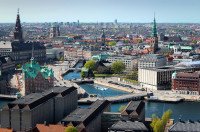
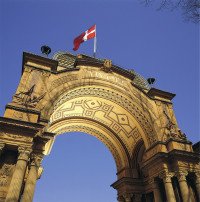
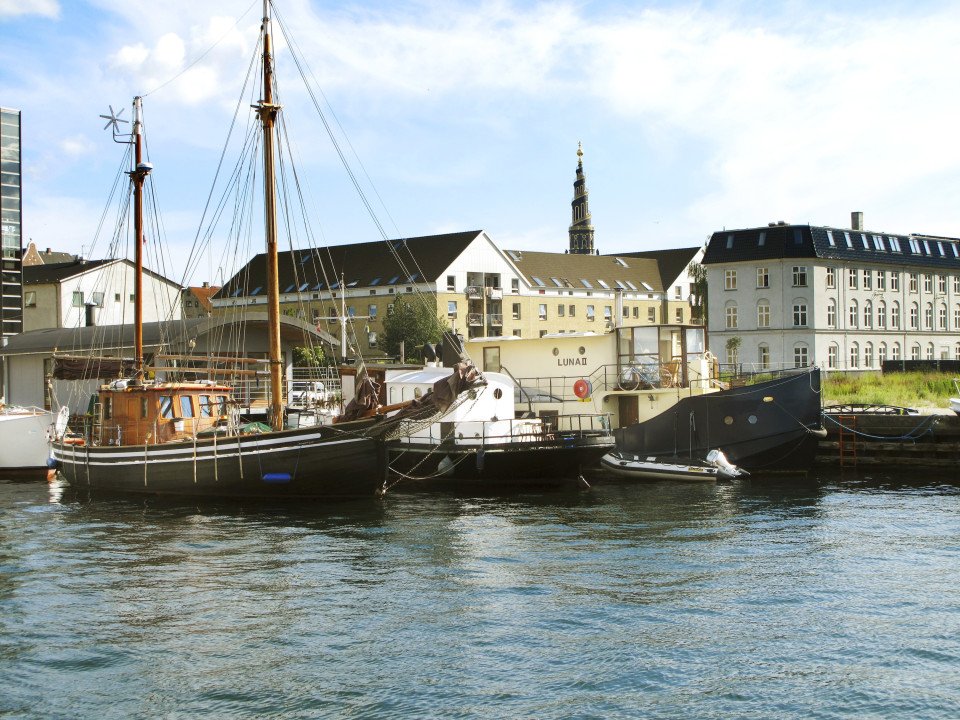
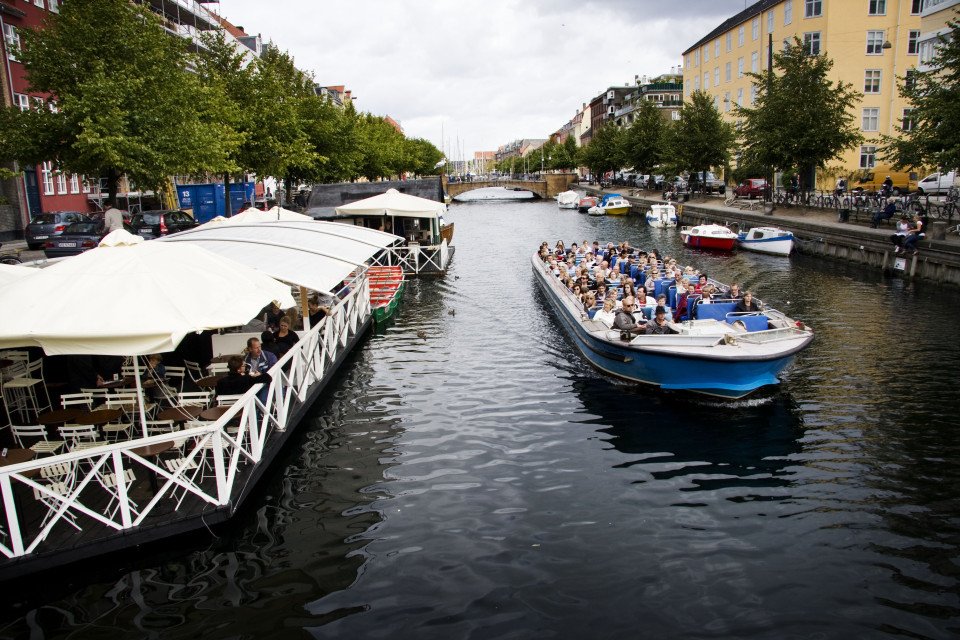
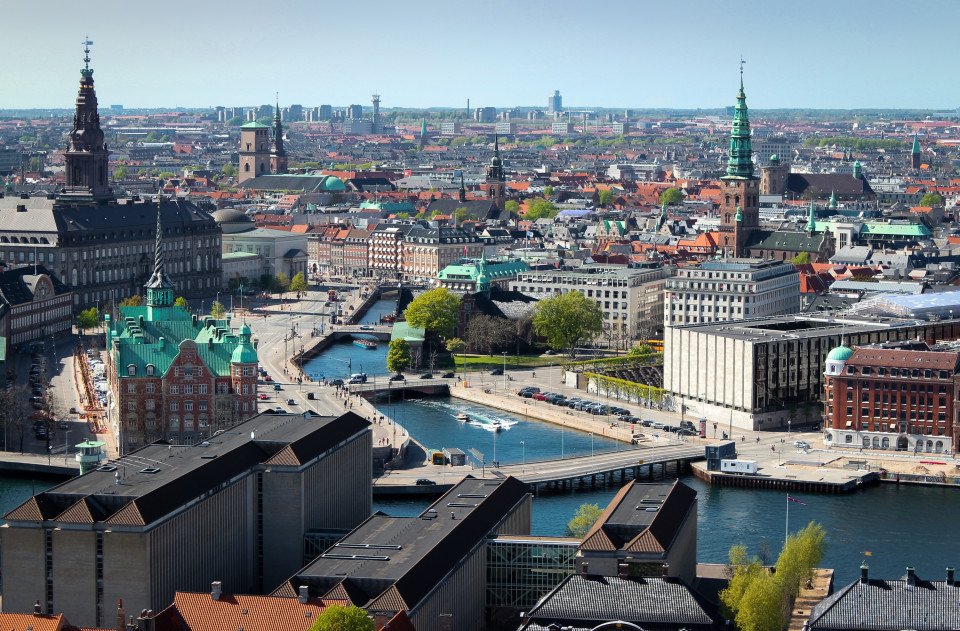
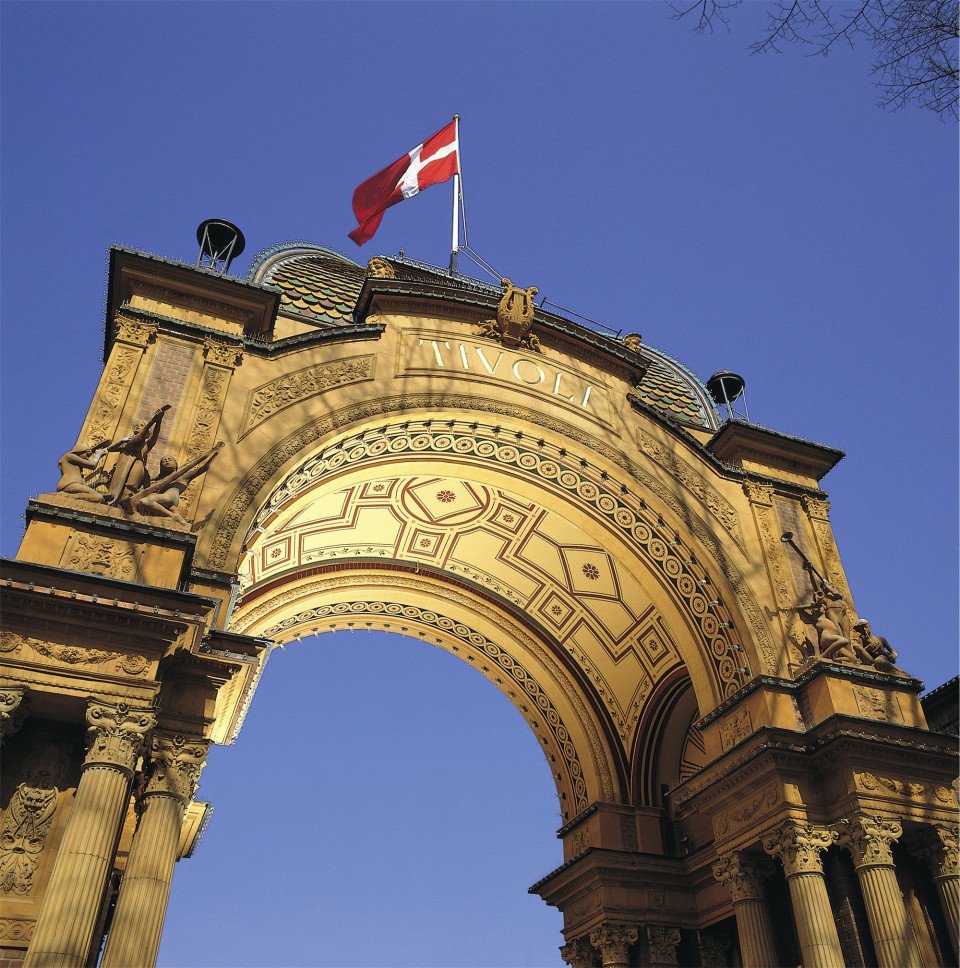
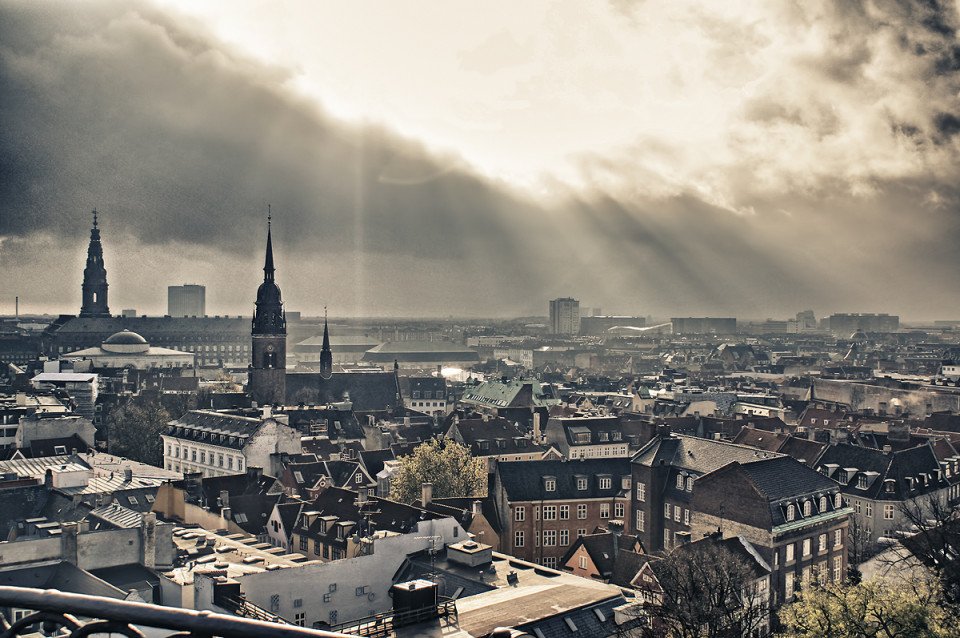
By the 11th century, Copenhagen was already an important trading and fishing centre and today you will find an attractive city which, although the largest in Scandinavia, has managed to retain its low-level skyline. Discover some of the famous attractions including Gefion Fountain and... By the 11th century, Copenhagen was already an important trading and fishing centre and today you will find an attractive city which, although the largest in Scandinavia, has managed to retain its low-level skyline. Discover some of the famous attractions including Gefion Fountain and Amalienborg Palace, perhaps cruise the city’s waterways, visit Rosenborg Castle or explore the medieval fishing village of Dragoer. Once the home of Hans Christian Andersen, Copenhagen features many reminders of its fairytale heritage and lives up to the reputation immortalised in the famous song ‘Wonderful Copenhagen’. Read More
Bornholm Island
Visby
Gotland is Sweden's main holiday island, a place of ancient history, a relaxed summer-party vibe, wide sandy beaches, and wild cliff formations called raukar (the remnants of reefs formed more than 400 million years ago). Measuring 125 km (78 miles) long and 52 km (32 miles) at its wi... Gotland is Sweden's main holiday island, a place of ancient history, a relaxed summer-party vibe, wide sandy beaches, and wild cliff formations called raukar (the remnants of reefs formed more than 400 million years ago). Measuring 125 km (78 miles) long and 52 km (32 miles) at its widest point, Gotland is where Swedish sheep farming has its home. In its charming glades, 35 varieties of wild orchids thrive, attracting botanists from all over the world. Read More
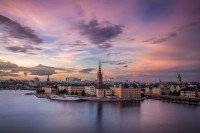
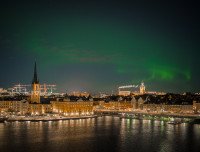
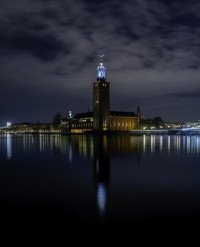
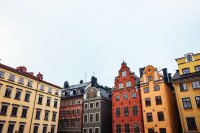
Stockholm
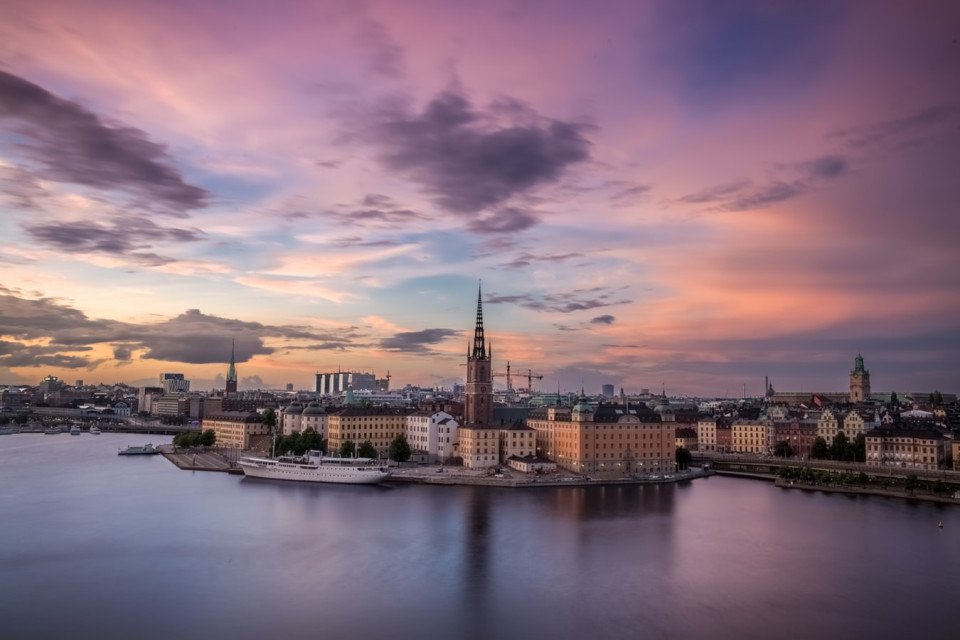
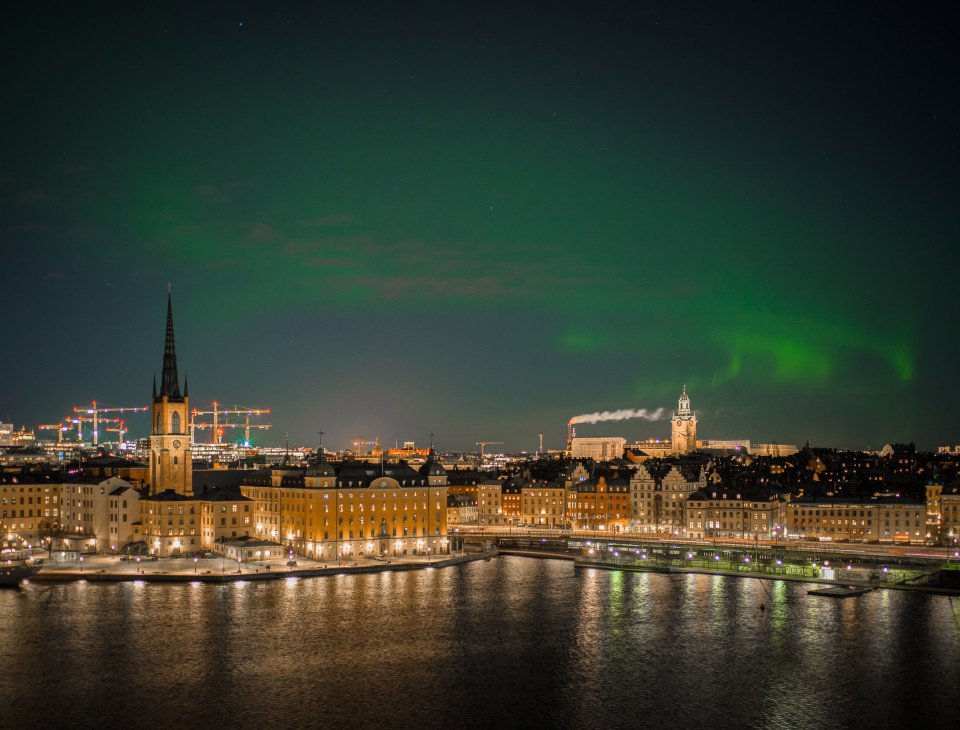
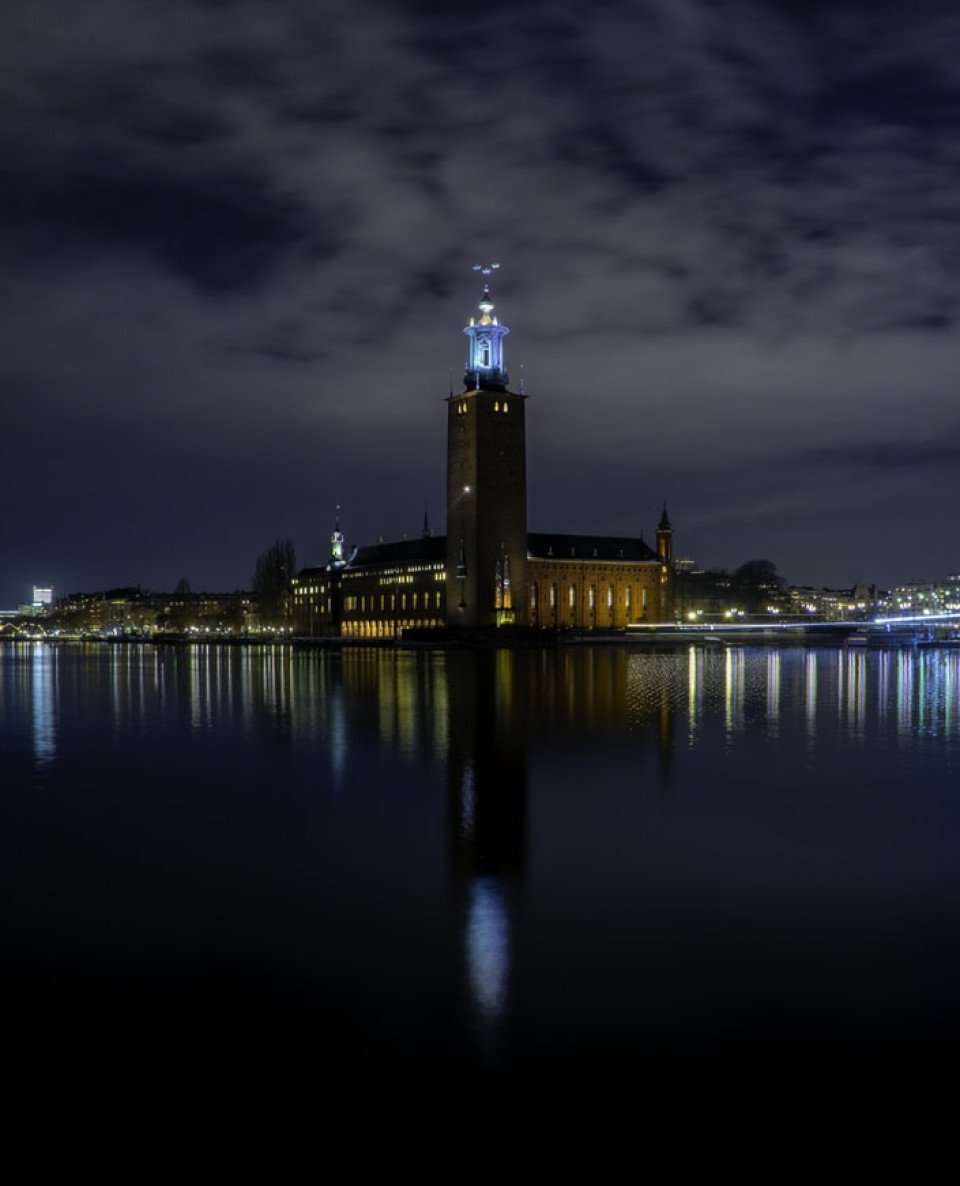
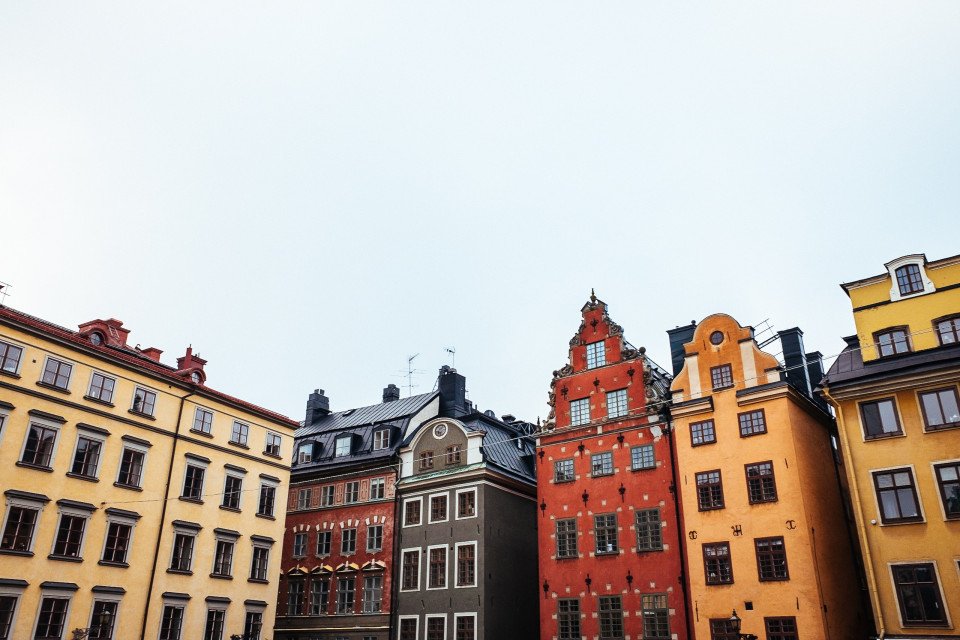
Stockholm is a city in the flush of its second youth. Since the mid-1990s, Sweden's capital has emerged from its cold, Nordic shadow to take the stage as a truly international city. What started with entry into the European Union in 1995 gained pace with the extraordinary IT boom of t... Stockholm is a city in the flush of its second youth. Since the mid-1990s, Sweden's capital has emerged from its cold, Nordic shadow to take the stage as a truly international city. What started with entry into the European Union in 1995 gained pace with the extraordinary IT boom of the late 1990s, strengthened with the Skype-led IT second wave of 2003, and solidified with the hedge-fund invasion that is still happening today as Stockholm gains even more global confidence. And despite more recent economic turmoil, Stockholm's 1 million or so inhabitants have, almost as one, realized that their city is one to rival Paris, London, New York, or any other great metropolis.With this realization comes change. Stockholm has become a city of design, fashion, innovation, technology, and world-class food, pairing homegrown talent with an international outlook. The streets are flowing with a young and confident population keen to drink in everything the city has to offer. The glittering feeling of optimism, success, and living in the here and now is rampant in Stockholm.Stockholm also has plenty of history. Positioned where the waters of Lake Mälaren rush into the Baltic, it’s been an important trading site and a wealthy international city for centuries. Built on 14 islands joined by bridges crossing open bays and narrow channels, Stockholm boasts the story of its history in its glorious medieval old town, grand palaces, ancient churches, sturdy edifices, public parks, and 19th-century museums—its history is soaked into the very fabric of its airy boulevards, built as a public display of trading glory. Read More
Stockholm
Stockholm is a city in the flush of its second youth. Since the mid-1990s, Sweden's capital has emerged from its cold, Nordic shadow to take the stage as a truly international city. What started with entry into the European Union in 1995 gained pace with the extraordinary IT boom of t... Stockholm is a city in the flush of its second youth. Since the mid-1990s, Sweden's capital has emerged from its cold, Nordic shadow to take the stage as a truly international city. What started with entry into the European Union in 1995 gained pace with the extraordinary IT boom of the late 1990s, strengthened with the Skype-led IT second wave of 2003, and solidified with the hedge-fund invasion that is still happening today as Stockholm gains even more global confidence. And despite more recent economic turmoil, Stockholm's 1 million or so inhabitants have, almost as one, realized that their city is one to rival Paris, London, New York, or any other great metropolis.With this realization comes change. Stockholm has become a city of design, fashion, innovation, technology, and world-class food, pairing homegrown talent with an international outlook. The streets are flowing with a young and confident population keen to drink in everything the city has to offer. The glittering feeling of optimism, success, and living in the here and now is rampant in Stockholm.Stockholm also has plenty of history. Positioned where the waters of Lake Mälaren rush into the Baltic, it’s been an important trading site and a wealthy international city for centuries. Built on 14 islands joined by bridges crossing open bays and narrow channels, Stockholm boasts the story of its history in its glorious medieval old town, grand palaces, ancient churches, sturdy edifices, public parks, and 19th-century museums—its history is soaked into the very fabric of its airy boulevards, built as a public display of trading glory. Read More
Helsinki
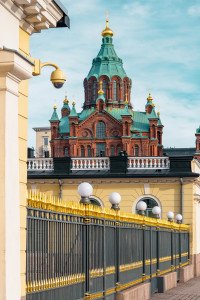
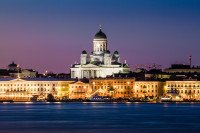
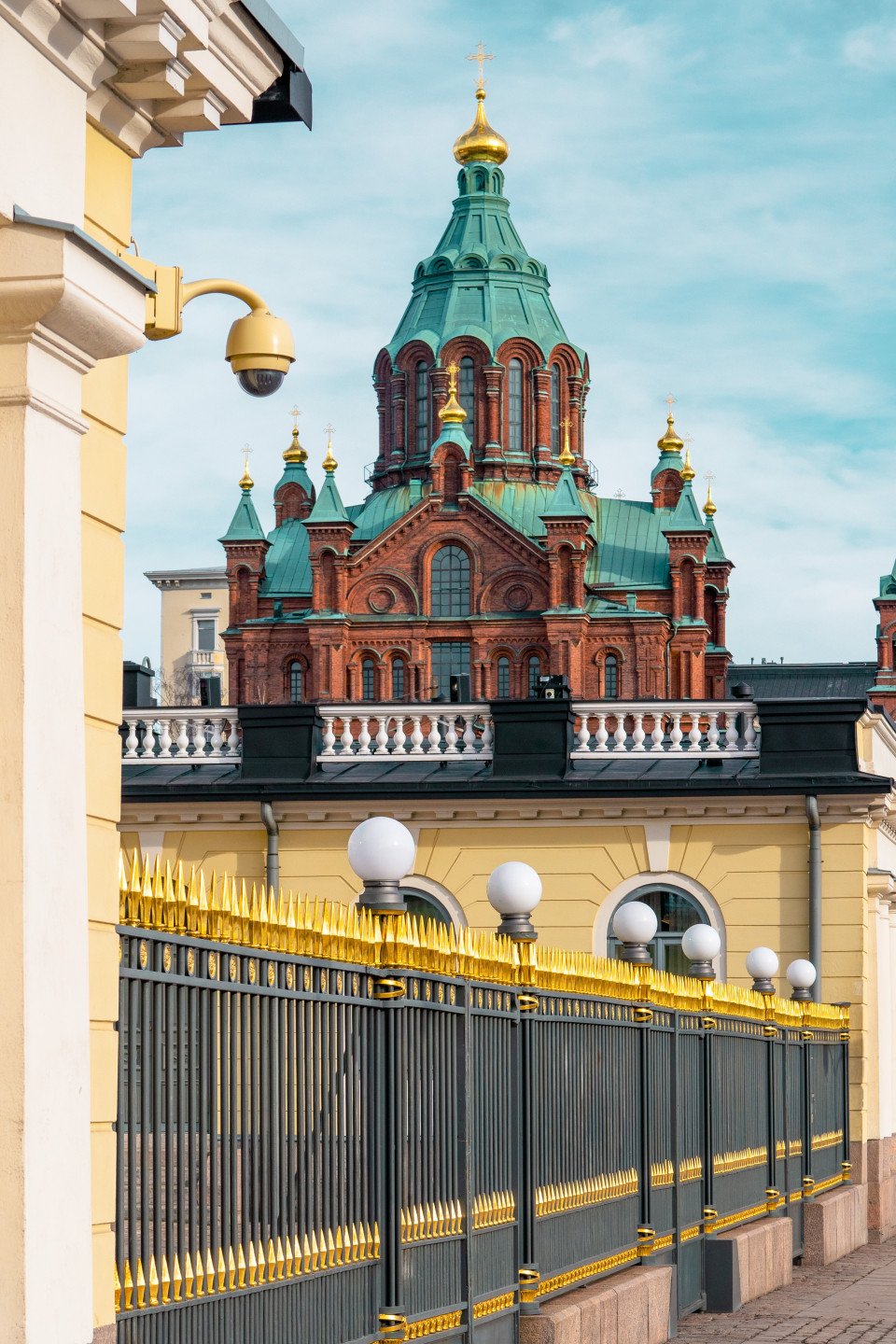
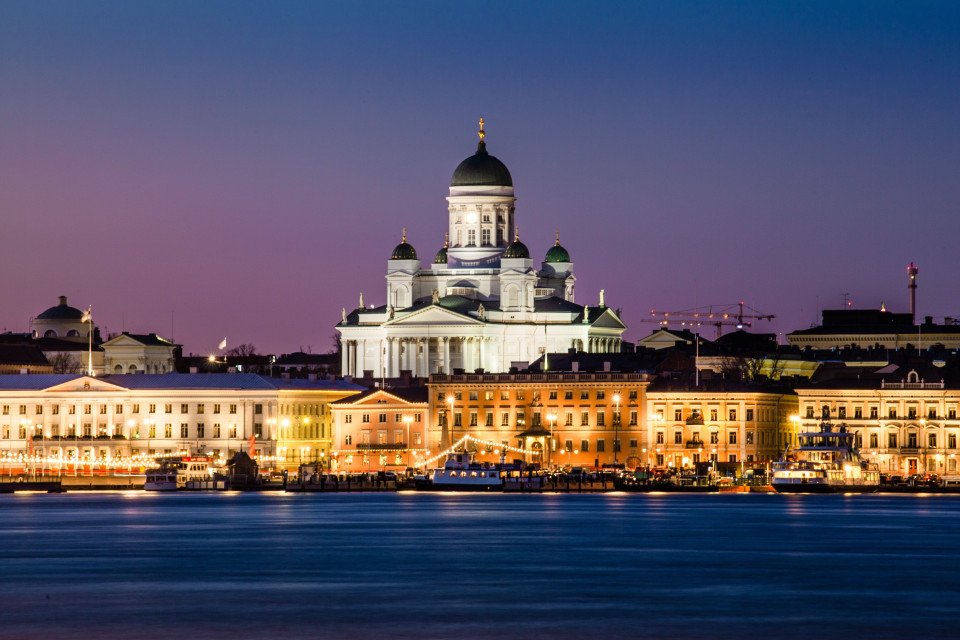
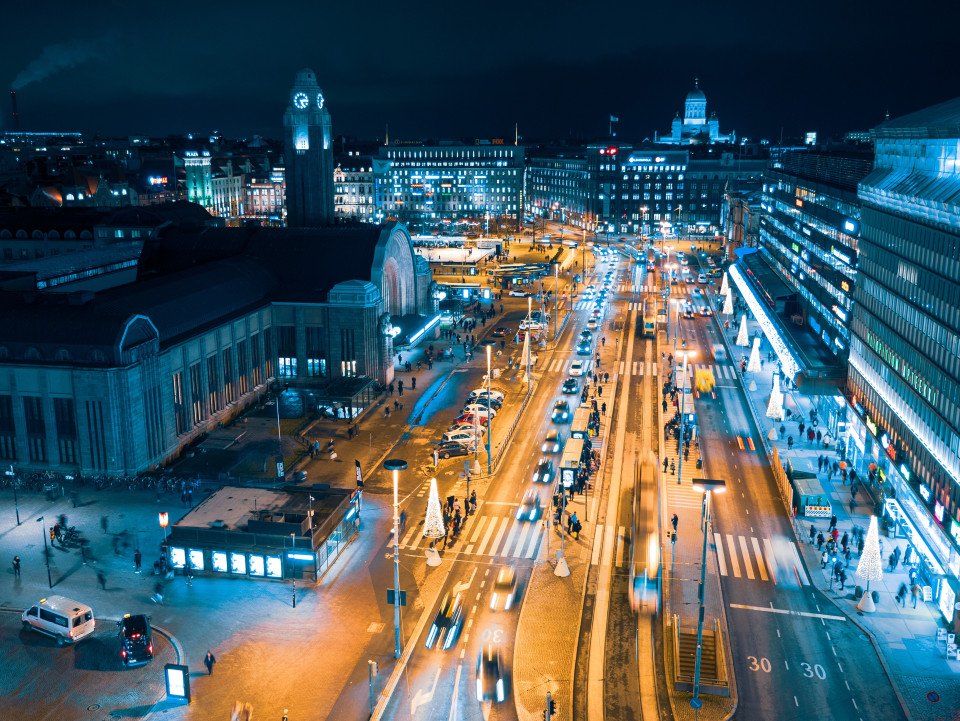
A city of the sea, Helsinki was built along a series of oddly shaped peninsulas and islands jutting into the Baltic coast along the Gulf of Finland. Streets and avenues curve around bays, bridges reach to nearby islands, and ferries ply among offshore islands.Having grown dramatically... A city of the sea, Helsinki was built along a series of oddly shaped peninsulas and islands jutting into the Baltic coast along the Gulf of Finland. Streets and avenues curve around bays, bridges reach to nearby islands, and ferries ply among offshore islands.Having grown dramatically since World War II, Helsinki now absorbs more than one-tenth of the Finnish population. The metro area covers 764 square km (474 square miles) and 315 islands. Most sights, hotels, and restaurants cluster on one peninsula, forming a compact central hub. The greater Helsinki metropolitan area, which includes Espoo and Vantaa, has a total population of more than a million people.Helsinki is a relatively young city compared with other European capitals. In the 16th century, King Gustav Vasa of Sweden decided to woo trade from the Estonian city of Tallinn and thus challenge the Hanseatic League's monopoly on Baltic trade. Accordingly, he commanded the people of four Finnish towns to pack up their belongings and relocate to the rapids on the River Vantaa. The new town, founded on June 12, 1550, was named Helsinki.For three centuries, Helsinki (Helsingfors in Swedish) had its ups and downs as a trading town. Turku, to the west, remained Finland's capital and intellectual center. However, Helsinki's fortunes improved when Finland fell under Russian rule as an autonomous grand duchy. Czar Alexander I wanted Finland's political center closer to Russia and, in 1812, selected Helsinki as the new capital. Shortly afterward, Turku suffered a disastrous fire, forcing the university to move to Helsinki. The town's future was secure.Just before the czar's proclamation, a fire destroyed many of Helsinki's traditional wooden structures, precipitating the construction of new buildings suitable for a nation's capital. The German-born architect Carl Ludvig Engel was commissioned to rebuild the city, and as a result, Helsinki has some of the purest neoclassical architecture in the world. Add to this foundation the influence of Stockholm and St. Petersburg with the local inspiration of 20th-century Finnish design, and the result is a European capital city that is as architecturally eye-catching as it is distinct from other Scandinavian capitals. You are bound to discover endless engaging details—a grimacing gargoyle; a foursome of males supporting a balcony's weight on their shoulders; a building painted in striking colors with contrasting flowers in the windows. The city's 400 or so parks make it particularly inviting in summer.Today, Helsinki is still a meeting point of eastern and western Europe, which is reflected in its cosmopolitan image, the influx of Russians and Estonians, and generally multilingual population. Outdoor summer bars ("terrassit" as the locals call them) and cafés in the city center are perfect for people watching on a summer afternoon. Read More
Tallinn
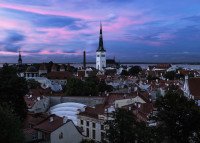
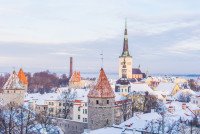
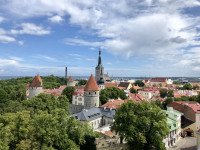
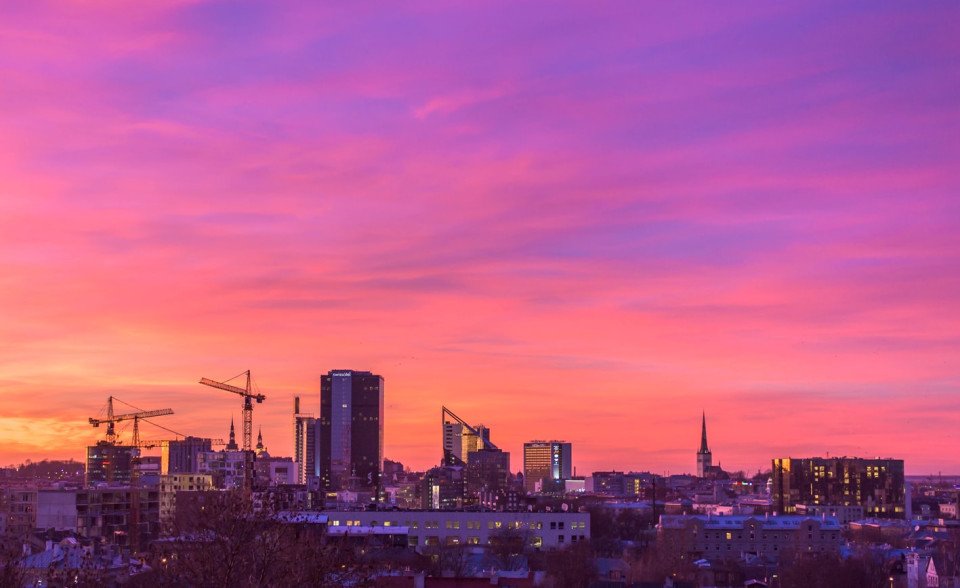
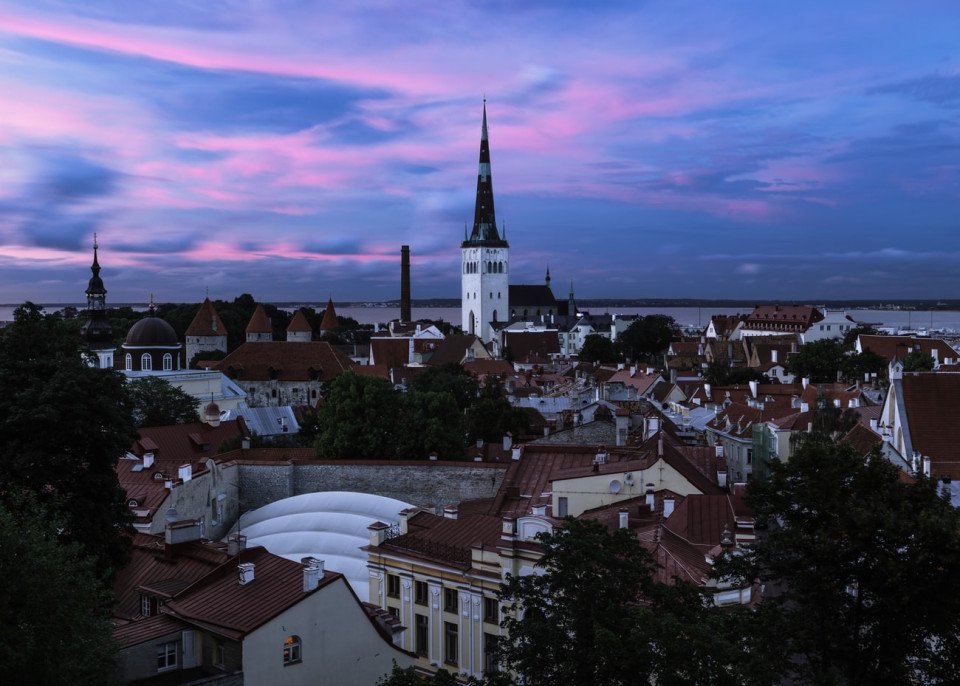
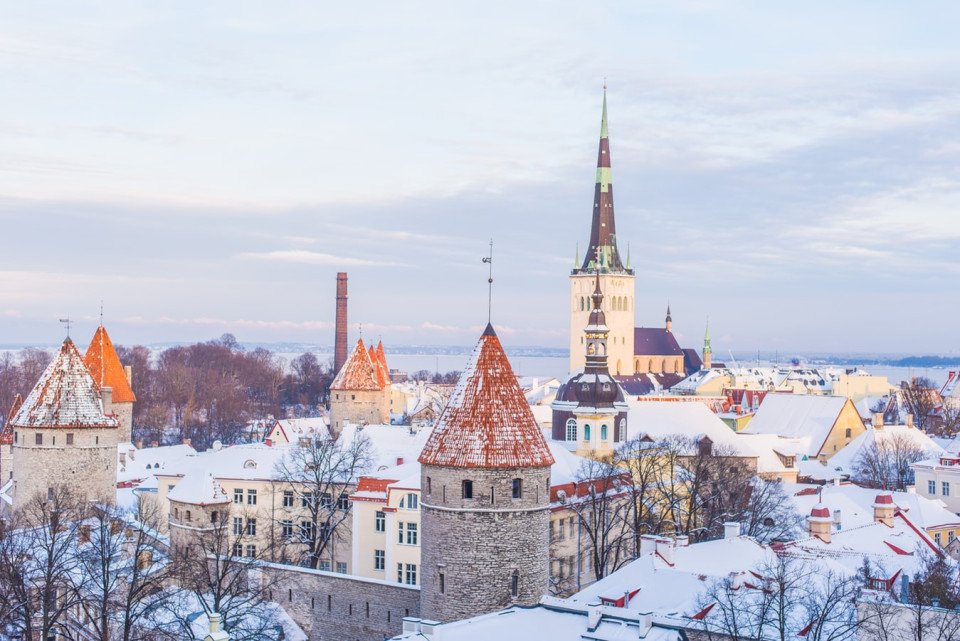
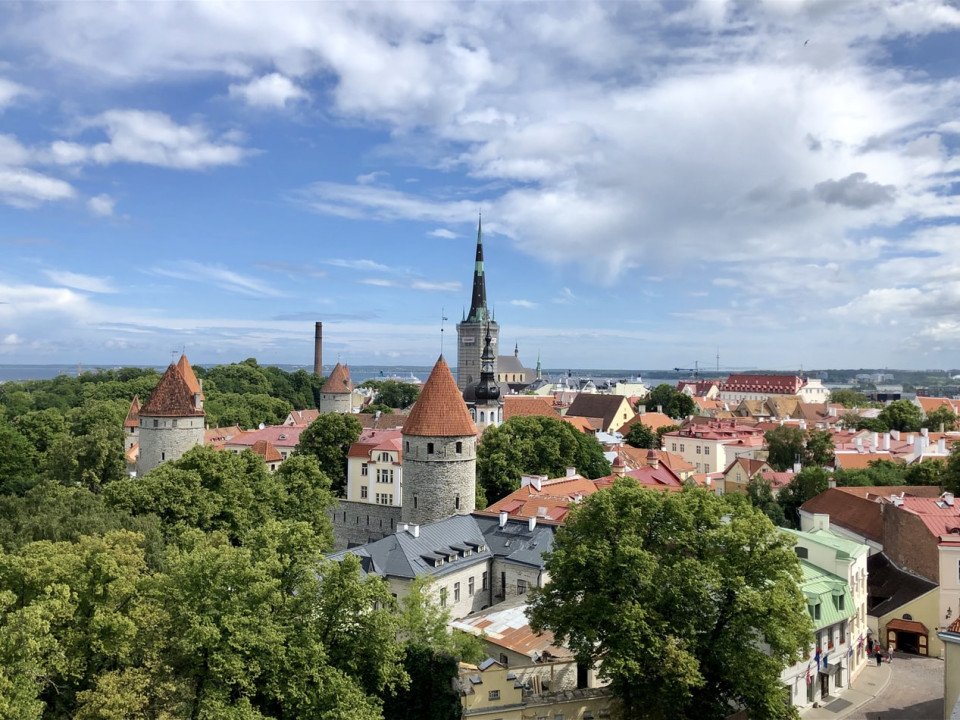
Estonia's history is sprinkled liberally with long stretches of foreign domination, beginning in 1219 with the Danes, followed without interruption by the Germans, Swedes, and Russians. Only after World War I, with Russia in revolutionary wreckage, was Estonia able to declare its inde... Estonia's history is sprinkled liberally with long stretches of foreign domination, beginning in 1219 with the Danes, followed without interruption by the Germans, Swedes, and Russians. Only after World War I, with Russia in revolutionary wreckage, was Estonia able to declare its independence. Shortly before World War II, in 1940, that independence was usurped by the Soviets, who—save for a brief three-year occupation by Hitler's Nazis—proceeded to suppress all forms of national Estonian pride for the next 50 years. Estonia finally regained independence in 1991. In the early 1990s, Estonia's own Riigikogu (Parliament), not some other nation's puppet ruler, handed down from the Upper City reforms that forced Estonia to blaze its post-Soviet trail to the European Union. Estonia has been a member of the EU since 2004, and in 2011, the country and its growing economy joined the Eurozone. Tallinn was also named the European City of Culture in 2011, cementing its growing reputation as a cultural hot spot. Read More
Riga
Rīga has an upscale, big-city feel unmatched in the region. The capital (almost as large as Tallinn and Vilnius combined) is the business center of the area while original, high-quality restaurants and hotels have earned Rīga some bragging rights among its Western European counterpart... Rīga has an upscale, big-city feel unmatched in the region. The capital (almost as large as Tallinn and Vilnius combined) is the business center of the area while original, high-quality restaurants and hotels have earned Rīga some bragging rights among its Western European counterparts. The city also doesn't lack for beauty—Rīga's Old Town (now a UNESCO World Heritage site) is one of Europe’s most striking examples of the art nouveau architectural style. Long avenues of complex and sometimes whimsical Jugendstil facades hint at Rīga's grand past. Many were designed by Mikhail Eisenstein, the father of Soviet director Sergei. This style dominates the city center. In many ways, the wonder of Rīga resides less in its individual attractions and more in the fabric of the town itself. In the medieval Old Town, an ornate gable or architrave catches the eye at every turn. The somber and the flamboyant are both represented in this quarter's 1,000 years of architectural history. Don't hesitate to just follow where your desire leads—the Old Town is compact and bounded by canals, so it's difficult to get totally lost. When the Old Town eventually became too crowded, the city burst out into the newer inner suburbs. The rich could afford to leave and build themselves fine fashionable mansions in the style of the day; consequently, city planners created a whole new Rīga. Across the narrow canal, you'll find the Esplanāde, a vast expanse of parkland with formal gardens and period mansions where the well-heeled stroll and play. Surrounding this is the art nouveau district. Encompassing avenues of splendid family homes (now spruced up in the postcommunist era), the collection has been praised by UNESCO as Europe's finest in the art nouveau style. The best examples are at Alberta 2, 2a, 4, 6, 8, and 13; Elizabetes 10b; and Strēlnieku 4a. If the weather permits, eschew public transport and stroll between the two districts, taking in the varied skylines and multifaceted facades, and perhaps stopping at a café or two as you go. The city has churches in five Christian denominations and more than 50 museums, many of which cater to eclectic or specialist tastes. Read More
Klaipeda
Gdansk
Copenhagen
By the 11th century, Copenhagen was already an important trading and fishing centre and today you will find an attractive city which, although the largest in Scandinavia, has managed to retain its low-level skyline. Discover some of the famous attractions including Gefion Fountain and... By the 11th century, Copenhagen was already an important trading and fishing centre and today you will find an attractive city which, although the largest in Scandinavia, has managed to retain its low-level skyline. Discover some of the famous attractions including Gefion Fountain and Amalienborg Palace, perhaps cruise the city’s waterways, visit Rosenborg Castle or explore the medieval fishing village of Dragoer. Once the home of Hans Christian Andersen, Copenhagen features many reminders of its fairytale heritage and lives up to the reputation immortalised in the famous song ‘Wonderful Copenhagen’. Read More
Dover
Cowes, Isle of Wight
Fowey
At Sea
Bantry
Galway
At Sea
Greencastle
Oban
Ullapool
Kirkwall, Orkney Islands
Leith
Leith
At Sea
Dover
At Sea
Leith
Leith
Lerwick, Shetland Islands
Haugesund
Farsund
Lysekil
Copenhagen
Bornholm Island
Visby
Stockholm
Stockholm
Helsinki
Tallinn
At Sea
Riga
Klaipeda
Gdansk
At Sea
Copenhagen
Dover
Dover
Known as the gateway of England, Dover welcomes millions of visitors from all over the globe each year in its role as the ferry capital of the world and the second busiest cruise port in the UK. The White Cliffs Country has a rich heritage. Within the walls of the town’s iconic castle... Known as the gateway of England, Dover welcomes millions of visitors from all over the globe each year in its role as the ferry capital of the world and the second busiest cruise port in the UK. The White Cliffs Country has a rich heritage. Within the walls of the town’s iconic castle, over 2,000 years of history waits to be explored, whilst the town’s museum is home to the Dover Bronze Age Boat, the world’s oldest known seagoing vessel. The town’s cliffs that are a welcome sight for today's cross-channel travellers also served as the control centre for the Dunkirk evacuation in 1940. Read More
Cowes, Isle of Wight
The 147-square-mile island with its pretty bays and thatched villages is like a miniature England. A well-preserved Victorian character dates from no other than Queen Victoria herself, who favored the island as her summer residence and made it her permanent home after the death of her... The 147-square-mile island with its pretty bays and thatched villages is like a miniature England. A well-preserved Victorian character dates from no other than Queen Victoria herself, who favored the island as her summer residence and made it her permanent home after the death of her husband, Prince Albert. Several other great names have close associations with the Isle of Wight, such as Tennyson, Dickens and Keats. The small port of Cowes at the northern tip of the island hosts every year in August Britain’s most prestigious sailing event – Cowes Week, often called “the yachtsman’s Ascot.”This is when the cozy and laid-back island bursts with visitors from all over, who fill the ranks of the island’s retired folk. Apart from being a haven for sailing craft, the world’s first hovercraft made its test runs here in the 1950s. For a place of relatively small size, the Isle of Wight packs a startling variety of landscapes and coastal scenery, ranging from a terrain of low-lying woodland and pasture to open chalky downland fringed by high cliffs. In addition, there are a number of historic buildings and a splendid array of well-preserved Victoriana. The town of Cowes is bisected by the Medina River, with West Cowes near the harbor being the old, pretty part, while East Cowes is more industrialized. Outside the suburbs stands Osborne House, Queen Victoria’s favorite residence. The grand mansion was largely designed by Albert, and the interior has been left very much as it was in the Queen’s lifetime. Around the island, some of the highlights include the Needles, three tall chalk stacks beneath the cliffs at the far west end of the island. The small village of Shanklin is known for its golden cliffs and a scenic steep ravine whose mossy, fern-filled woods have been embellished with tiny lights and thatched tea shops. The port of Yarmouth features an attractive fortress and quaint pubs in the main square. Pier Information The ship is scheduled to anchor off Cowes. Guests will be taken ashore via ship’s tender. Walking distance to the town center is approximately 5 minutes. Taxis are generally available for trips around the island. Shopping Shops in the town center of Cowes carry maritime items and yachting attire, local glassware and the famous Isle of Wight colored sand. Normal opening times are from 9:00 a.m. to 5:00 p.m. The local currency is the pound. Cuisine Not surprisingly, seafood is a good choice as well as other popular English fare. If you fancy lunch ashore, you may want to give the Amadeus Restaurant in Cowes a try, or stop in one of the local pubs for a quick meal and a cold beer. Other Sites Most of the island’s sights are covered in the organized excursions. Additionally, at the far west end of the island is the site of The Needles, a cluster of three tall chalk stacks beneath steep cliffs. The drive there takes about 45 minutes each way. Nearby is Alum Bay. The oxidized sandstone cliffs are popular for their multicolored sands, which are collected and arranged in diverse glass bottles, making popular souvenirs. Private arrangements are not encouraged in this port. Read More
Fowey
Fowey
Nestled in the mouth of a wooded estuary, Fowey (pronounced Foy) is still very much a working china-clay port as well as a focal point for the sailing fraternity. Increasingly, it's also a favored home of the rich and famous. Good and varied dining and lodging options abound; these ar... Nestled in the mouth of a wooded estuary, Fowey (pronounced Foy) is still very much a working china-clay port as well as a focal point for the sailing fraternity. Increasingly, it's also a favored home of the rich and famous. Good and varied dining and lodging options abound; these are most in demand during Regatta Week in mid- to late August and the annual Fowey Festival of Words and Music in mid-May. The Bodinnick and Polruan ferries take cars as well as foot passengers across the river for the coast road on to Looe.A few miles west of Fowey are a pair of very different gardens: the Eden Project, a futuristic display of plants from around the world, and the Lost Gardens of Heligan, a revitalized reminder of the Victorian age. Read More
At Sea
Bantry
Bantry
Galway
Galway
Galway is a city in the West of Ireland in the province of Connacht. It lies on the River Corrib between Lough Corrib and Galway Bay and is surrounded by County Galway. It is the fourth most populous urban area in the Republic of Ireland and the sixth most populous city in the island... Galway is a city in the West of Ireland in the province of Connacht. It lies on the River Corrib between Lough Corrib and Galway Bay and is surrounded by County Galway. It is the fourth most populous urban area in the Republic of Ireland and the sixth most populous city in the island of Ireland. It is both a picturesque and lively city with a wonderful avant-garde culture and a fascinating mixture of locally owned speciality shops, often featuring locally made crafts. Indeed local handcrafts are a feature of the entire region including hand knits, pottery, glass, jewellery and woodwork. The city’s hub is 18th-century Eyre Square, a popular meeting spot surrounded by shops, and traditional pubs that often offer live Irish folk music. Nearby, stone-clad cafes, boutiques and art galleries line the winding lanes of the Latin Quarter, which retains portions of the medieval city walls. The city bears the nickname "The City of the Tribes" because "fourteen tribes" of merchant families led the city in its Hiberno-Norman period. The merchants would have seen themselves as Irish gentry and loyal to the King. They later adopted the term as a badge of honour and pride in defiance of the town's Cromwellian occupier. Read More
At Sea
Greencastle
Greencastle
Oban
Oban
Oban, "little bay" in Gaelic, today has a resident population of 8,500 and is the unofficial capital of the West Highlands - the "Gateway to the Isles." The panoramic views of the mountains, lochs and islands which have captivated artists, authors, composers, and poets for centuries a... Oban, "little bay" in Gaelic, today has a resident population of 8,500 and is the unofficial capital of the West Highlands - the "Gateway to the Isles." The panoramic views of the mountains, lochs and islands which have captivated artists, authors, composers, and poets for centuries are as striking now as they were when Dunollie Castle, a ruined keep which has stood sentinel over the narrow entrance to the sheltered bay for around six hundred years, was the northern outpost of the Dalriadic Scots. It is no surprise to find Oban in the 21st-century remains a magnet for travellers from all over the world. The town's present day popularity owes much to the Victorians, and as early as 1812, when the Comet steamship linked Oban with Glasgow, the town played host to intrepid travellers touring Staffa - the inspiration for Mendelssohn's Hebridean Overture - and Iona - home of Scottish Christianity since St Columba stepped ashore in AD563. Indeed once Oban had the royal seal of approval from Queen Victoria, who called it "one of the finest spots we have seen," the town's destiny as an endearingly enchanting holiday destination was as firmly set as the lava columns of Fingal's Cave in Oban is justifiably known as the “gateway to the Isles.” The town's south pier is the embarkation point for car ferries to Mull, Coll, Tiree, Barra, South Uist, Colonsay, Lismore and Islay. From these islands you can travel further a field to Iona, Staffa and to many of the smaller less well known isles. Read More
Ullapool
Ullapool
Ullapool is an ideal base for hiking throughout Sutherland and taking wildlife and nature cruises, especially to the Summer Isles. By the shores of salty Loch Broom, the town was founded in 1788 as a fishing station to exploit the local herring stocks. There's still a smattering of fi... Ullapool is an ideal base for hiking throughout Sutherland and taking wildlife and nature cruises, especially to the Summer Isles. By the shores of salty Loch Broom, the town was founded in 1788 as a fishing station to exploit the local herring stocks. There's still a smattering of fishing vessels, as well as visiting yachts and foreign ships. When their crews fill the pubs, Ullapool has a cosmopolitan feel. The harbor area comes to life when the Lewis ferry arrives and departs. Read More
Kirkwall, Orkney Islands
In bustling Kirkwall, the main town on Orkney, there's plenty to see in the narrow, winding streets extending from the harbor. The cathedral and some museums are highlights.
Leith
Leith
Leith is a vibrant district located in Edinburgh, Scotland, known for its rich maritime history and lively atmosphere. Once a bustling port, Leith has transformed into a trendy area filled with an eclectic mix of restaurants, bars, and shops along its picturesque waterfront. Key attra... Leith is a vibrant district located in Edinburgh, Scotland, known for its rich maritime history and lively atmosphere. Once a bustling port, Leith has transformed into a trendy area filled with an eclectic mix of restaurants, bars, and shops along its picturesque waterfront. Key attractions include the historic Leith Docks, the Royal Yacht Britannia, and the scenic Water of Leith walkway. The district boasts a diverse community and hosts various cultural events throughout the year. With its blend of history, modern amenities, and stunning views of the Firth of Forth, Leith is a dynamic destination that attracts both locals and visitors. Read More
Leith
Leith
Leith is a vibrant district located in Edinburgh, Scotland, known for its rich maritime history and lively atmosphere. Once a bustling port, Leith has transformed into a trendy area filled with an eclectic mix of restaurants, bars, and shops along its picturesque waterfront. Key attra... Leith is a vibrant district located in Edinburgh, Scotland, known for its rich maritime history and lively atmosphere. Once a bustling port, Leith has transformed into a trendy area filled with an eclectic mix of restaurants, bars, and shops along its picturesque waterfront. Key attractions include the historic Leith Docks, the Royal Yacht Britannia, and the scenic Water of Leith walkway. The district boasts a diverse community and hosts various cultural events throughout the year. With its blend of history, modern amenities, and stunning views of the Firth of Forth, Leith is a dynamic destination that attracts both locals and visitors. Read More
At Sea
Dover
Dover
Known as the gateway of England, Dover welcomes millions of visitors from all over the globe each year in its role as the ferry capital of the world and the second busiest cruise port in the UK. The White Cliffs Country has a rich heritage. Within the walls of the town’s iconic castle... Known as the gateway of England, Dover welcomes millions of visitors from all over the globe each year in its role as the ferry capital of the world and the second busiest cruise port in the UK. The White Cliffs Country has a rich heritage. Within the walls of the town’s iconic castle, over 2,000 years of history waits to be explored, whilst the town’s museum is home to the Dover Bronze Age Boat, the world’s oldest known seagoing vessel. The town’s cliffs that are a welcome sight for today's cross-channel travellers also served as the control centre for the Dunkirk evacuation in 1940. Read More
At Sea
Leith
Leith
Leith is a vibrant district located in Edinburgh, Scotland, known for its rich maritime history and lively atmosphere. Once a bustling port, Leith has transformed into a trendy area filled with an eclectic mix of restaurants, bars, and shops along its picturesque waterfront. Key attra... Leith is a vibrant district located in Edinburgh, Scotland, known for its rich maritime history and lively atmosphere. Once a bustling port, Leith has transformed into a trendy area filled with an eclectic mix of restaurants, bars, and shops along its picturesque waterfront. Key attractions include the historic Leith Docks, the Royal Yacht Britannia, and the scenic Water of Leith walkway. The district boasts a diverse community and hosts various cultural events throughout the year. With its blend of history, modern amenities, and stunning views of the Firth of Forth, Leith is a dynamic destination that attracts both locals and visitors. Read More
Leith
Leith
Leith is a vibrant district located in Edinburgh, Scotland, known for its rich maritime history and lively atmosphere. Once a bustling port, Leith has transformed into a trendy area filled with an eclectic mix of restaurants, bars, and shops along its picturesque waterfront. Key attra... Leith is a vibrant district located in Edinburgh, Scotland, known for its rich maritime history and lively atmosphere. Once a bustling port, Leith has transformed into a trendy area filled with an eclectic mix of restaurants, bars, and shops along its picturesque waterfront. Key attractions include the historic Leith Docks, the Royal Yacht Britannia, and the scenic Water of Leith walkway. The district boasts a diverse community and hosts various cultural events throughout the year. With its blend of history, modern amenities, and stunning views of the Firth of Forth, Leith is a dynamic destination that attracts both locals and visitors. Read More
Lerwick, Shetland Islands
Founded by Dutch fishermen in the 17th century, Lerwick today is a busy town and administrative center. Handsome stone buildings—known as lodberries—line the harbor; they provided loading bays for goods, some of them illegal. The town's twisting flagstone lanes and harbor once heaved... Founded by Dutch fishermen in the 17th century, Lerwick today is a busy town and administrative center. Handsome stone buildings—known as lodberries—line the harbor; they provided loading bays for goods, some of them illegal. The town's twisting flagstone lanes and harbor once heaved with activity, and Lerwick is still an active port today. This is also where most visitors to Shetland dock, spilling out of cruise ships, allowing passengers to walk around the town. Read More
Haugesund
Haugesund
Farsund
Farsund
Lysekil
Lysekil
Copenhagen
Copenhagen
By the 11th century, Copenhagen was already an important trading and fishing centre and today you will find an attractive city which, although the largest in Scandinavia, has managed to retain its low-level skyline. Discover some of the famous attractions including Gefion Fountain and... By the 11th century, Copenhagen was already an important trading and fishing centre and today you will find an attractive city which, although the largest in Scandinavia, has managed to retain its low-level skyline. Discover some of the famous attractions including Gefion Fountain and Amalienborg Palace, perhaps cruise the city’s waterways, visit Rosenborg Castle or explore the medieval fishing village of Dragoer. Once the home of Hans Christian Andersen, Copenhagen features many reminders of its fairytale heritage and lives up to the reputation immortalised in the famous song ‘Wonderful Copenhagen’. Read More
Bornholm Island
Bornholm Island
Visby
Visby
Gotland is Sweden's main holiday island, a place of ancient history, a relaxed summer-party vibe, wide sandy beaches, and wild cliff formations called raukar (the remnants of reefs formed more than 400 million years ago). Measuring 125 km (78 miles) long and 52 km (32 miles) at its wi... Gotland is Sweden's main holiday island, a place of ancient history, a relaxed summer-party vibe, wide sandy beaches, and wild cliff formations called raukar (the remnants of reefs formed more than 400 million years ago). Measuring 125 km (78 miles) long and 52 km (32 miles) at its widest point, Gotland is where Swedish sheep farming has its home. In its charming glades, 35 varieties of wild orchids thrive, attracting botanists from all over the world. Read More
Stockholm
Stockholm
Stockholm is a city in the flush of its second youth. Since the mid-1990s, Sweden's capital has emerged from its cold, Nordic shadow to take the stage as a truly international city. What started with entry into the European Union in 1995 gained pace with the extraordinary IT boom of t... Stockholm is a city in the flush of its second youth. Since the mid-1990s, Sweden's capital has emerged from its cold, Nordic shadow to take the stage as a truly international city. What started with entry into the European Union in 1995 gained pace with the extraordinary IT boom of the late 1990s, strengthened with the Skype-led IT second wave of 2003, and solidified with the hedge-fund invasion that is still happening today as Stockholm gains even more global confidence. And despite more recent economic turmoil, Stockholm's 1 million or so inhabitants have, almost as one, realized that their city is one to rival Paris, London, New York, or any other great metropolis.With this realization comes change. Stockholm has become a city of design, fashion, innovation, technology, and world-class food, pairing homegrown talent with an international outlook. The streets are flowing with a young and confident population keen to drink in everything the city has to offer. The glittering feeling of optimism, success, and living in the here and now is rampant in Stockholm.Stockholm also has plenty of history. Positioned where the waters of Lake Mälaren rush into the Baltic, it’s been an important trading site and a wealthy international city for centuries. Built on 14 islands joined by bridges crossing open bays and narrow channels, Stockholm boasts the story of its history in its glorious medieval old town, grand palaces, ancient churches, sturdy edifices, public parks, and 19th-century museums—its history is soaked into the very fabric of its airy boulevards, built as a public display of trading glory. Read More
Stockholm
Stockholm
Stockholm is a city in the flush of its second youth. Since the mid-1990s, Sweden's capital has emerged from its cold, Nordic shadow to take the stage as a truly international city. What started with entry into the European Union in 1995 gained pace with the extraordinary IT boom of t... Stockholm is a city in the flush of its second youth. Since the mid-1990s, Sweden's capital has emerged from its cold, Nordic shadow to take the stage as a truly international city. What started with entry into the European Union in 1995 gained pace with the extraordinary IT boom of the late 1990s, strengthened with the Skype-led IT second wave of 2003, and solidified with the hedge-fund invasion that is still happening today as Stockholm gains even more global confidence. And despite more recent economic turmoil, Stockholm's 1 million or so inhabitants have, almost as one, realized that their city is one to rival Paris, London, New York, or any other great metropolis.With this realization comes change. Stockholm has become a city of design, fashion, innovation, technology, and world-class food, pairing homegrown talent with an international outlook. The streets are flowing with a young and confident population keen to drink in everything the city has to offer. The glittering feeling of optimism, success, and living in the here and now is rampant in Stockholm.Stockholm also has plenty of history. Positioned where the waters of Lake Mälaren rush into the Baltic, it’s been an important trading site and a wealthy international city for centuries. Built on 14 islands joined by bridges crossing open bays and narrow channels, Stockholm boasts the story of its history in its glorious medieval old town, grand palaces, ancient churches, sturdy edifices, public parks, and 19th-century museums—its history is soaked into the very fabric of its airy boulevards, built as a public display of trading glory. Read More
Helsinki
Helsinki
A city of the sea, Helsinki was built along a series of oddly shaped peninsulas and islands jutting into the Baltic coast along the Gulf of Finland. Streets and avenues curve around bays, bridges reach to nearby islands, and ferries ply among offshore islands.Having grown dramatically... A city of the sea, Helsinki was built along a series of oddly shaped peninsulas and islands jutting into the Baltic coast along the Gulf of Finland. Streets and avenues curve around bays, bridges reach to nearby islands, and ferries ply among offshore islands.Having grown dramatically since World War II, Helsinki now absorbs more than one-tenth of the Finnish population. The metro area covers 764 square km (474 square miles) and 315 islands. Most sights, hotels, and restaurants cluster on one peninsula, forming a compact central hub. The greater Helsinki metropolitan area, which includes Espoo and Vantaa, has a total population of more than a million people.Helsinki is a relatively young city compared with other European capitals. In the 16th century, King Gustav Vasa of Sweden decided to woo trade from the Estonian city of Tallinn and thus challenge the Hanseatic League's monopoly on Baltic trade. Accordingly, he commanded the people of four Finnish towns to pack up their belongings and relocate to the rapids on the River Vantaa. The new town, founded on June 12, 1550, was named Helsinki.For three centuries, Helsinki (Helsingfors in Swedish) had its ups and downs as a trading town. Turku, to the west, remained Finland's capital and intellectual center. However, Helsinki's fortunes improved when Finland fell under Russian rule as an autonomous grand duchy. Czar Alexander I wanted Finland's political center closer to Russia and, in 1812, selected Helsinki as the new capital. Shortly afterward, Turku suffered a disastrous fire, forcing the university to move to Helsinki. The town's future was secure.Just before the czar's proclamation, a fire destroyed many of Helsinki's traditional wooden structures, precipitating the construction of new buildings suitable for a nation's capital. The German-born architect Carl Ludvig Engel was commissioned to rebuild the city, and as a result, Helsinki has some of the purest neoclassical architecture in the world. Add to this foundation the influence of Stockholm and St. Petersburg with the local inspiration of 20th-century Finnish design, and the result is a European capital city that is as architecturally eye-catching as it is distinct from other Scandinavian capitals. You are bound to discover endless engaging details—a grimacing gargoyle; a foursome of males supporting a balcony's weight on their shoulders; a building painted in striking colors with contrasting flowers in the windows. The city's 400 or so parks make it particularly inviting in summer.Today, Helsinki is still a meeting point of eastern and western Europe, which is reflected in its cosmopolitan image, the influx of Russians and Estonians, and generally multilingual population. Outdoor summer bars ("terrassit" as the locals call them) and cafés in the city center are perfect for people watching on a summer afternoon. Read More
Tallinn
Tallinn
Estonia's history is sprinkled liberally with long stretches of foreign domination, beginning in 1219 with the Danes, followed without interruption by the Germans, Swedes, and Russians. Only after World War I, with Russia in revolutionary wreckage, was Estonia able to declare its inde... Estonia's history is sprinkled liberally with long stretches of foreign domination, beginning in 1219 with the Danes, followed without interruption by the Germans, Swedes, and Russians. Only after World War I, with Russia in revolutionary wreckage, was Estonia able to declare its independence. Shortly before World War II, in 1940, that independence was usurped by the Soviets, who—save for a brief three-year occupation by Hitler's Nazis—proceeded to suppress all forms of national Estonian pride for the next 50 years. Estonia finally regained independence in 1991. In the early 1990s, Estonia's own Riigikogu (Parliament), not some other nation's puppet ruler, handed down from the Upper City reforms that forced Estonia to blaze its post-Soviet trail to the European Union. Estonia has been a member of the EU since 2004, and in 2011, the country and its growing economy joined the Eurozone. Tallinn was also named the European City of Culture in 2011, cementing its growing reputation as a cultural hot spot. Read More
At Sea
Riga
Riga
Rīga has an upscale, big-city feel unmatched in the region. The capital (almost as large as Tallinn and Vilnius combined) is the business center of the area while original, high-quality restaurants and hotels have earned Rīga some bragging rights among its Western European counterpart... Rīga has an upscale, big-city feel unmatched in the region. The capital (almost as large as Tallinn and Vilnius combined) is the business center of the area while original, high-quality restaurants and hotels have earned Rīga some bragging rights among its Western European counterparts. The city also doesn't lack for beauty—Rīga's Old Town (now a UNESCO World Heritage site) is one of Europe’s most striking examples of the art nouveau architectural style. Long avenues of complex and sometimes whimsical Jugendstil facades hint at Rīga's grand past. Many were designed by Mikhail Eisenstein, the father of Soviet director Sergei. This style dominates the city center. In many ways, the wonder of Rīga resides less in its individual attractions and more in the fabric of the town itself. In the medieval Old Town, an ornate gable or architrave catches the eye at every turn. The somber and the flamboyant are both represented in this quarter's 1,000 years of architectural history. Don't hesitate to just follow where your desire leads—the Old Town is compact and bounded by canals, so it's difficult to get totally lost. When the Old Town eventually became too crowded, the city burst out into the newer inner suburbs. The rich could afford to leave and build themselves fine fashionable mansions in the style of the day; consequently, city planners created a whole new Rīga. Across the narrow canal, you'll find the Esplanāde, a vast expanse of parkland with formal gardens and period mansions where the well-heeled stroll and play. Surrounding this is the art nouveau district. Encompassing avenues of splendid family homes (now spruced up in the postcommunist era), the collection has been praised by UNESCO as Europe's finest in the art nouveau style. The best examples are at Alberta 2, 2a, 4, 6, 8, and 13; Elizabetes 10b; and Strēlnieku 4a. If the weather permits, eschew public transport and stroll between the two districts, taking in the varied skylines and multifaceted facades, and perhaps stopping at a café or two as you go. The city has churches in five Christian denominations and more than 50 museums, many of which cater to eclectic or specialist tastes. Read More
Klaipeda
Klaipeda
Gdansk
Gdansk
At Sea
Copenhagen
Copenhagen
By the 11th century, Copenhagen was already an important trading and fishing centre and today you will find an attractive city which, although the largest in Scandinavia, has managed to retain its low-level skyline. Discover some of the famous attractions including Gefion Fountain and... By the 11th century, Copenhagen was already an important trading and fishing centre and today you will find an attractive city which, although the largest in Scandinavia, has managed to retain its low-level skyline. Discover some of the famous attractions including Gefion Fountain and Amalienborg Palace, perhaps cruise the city’s waterways, visit Rosenborg Castle or explore the medieval fishing village of Dragoer. Once the home of Hans Christian Andersen, Copenhagen features many reminders of its fairytale heritage and lives up to the reputation immortalised in the famous song ‘Wonderful Copenhagen’. Read More
*This holiday is generally suitable for persons with reduced mobility. For customers with reduced mobility or any medical condition that may require special assistance or arrangements to be made, please notify your Cruise Concierge at the time of your enquiry, so that we can provide specific information as to the suitability of the holiday, as well as make suitable arrangements with the Holiday Provider on your behalf.
Dover
Cowes, Isle of Wight
Fowey
Bantry
Galway
Greencastle
Oban
Ullapool
Kirkwall, Orkney Islands
Leith
Leith
Dover
Leith
Leith
Lerwick, Shetland Islands
Haugesund
Farsund
Lysekil
Copenhagen
Bornholm Island
Visby
Stockholm
Stockholm
Helsinki
Tallinn
Riga
Klaipeda
Gdansk
Copenhagen
*This holiday is generally suitable for persons with reduced mobility. For customers with reduced mobility or any medical condition that may require special assistance or arrangements to be made, please notify your Cruise Concierge at the time of your enquiry, so that we can provide specific information as to the suitability of the holiday, as well as make suitable arrangements with the Holiday Provider on your behalf.
Whats Included with
Seabourn
Entertainment
WiFi
24-hour room service
Shuttle service to and from ports and airport where available
In-suite mini bar replenished daily
Almost 1:1 staff to guest ratio
In-suite bar replenished with your preferences
Personal Suite Stewardess
Complimentary laundry where applicable
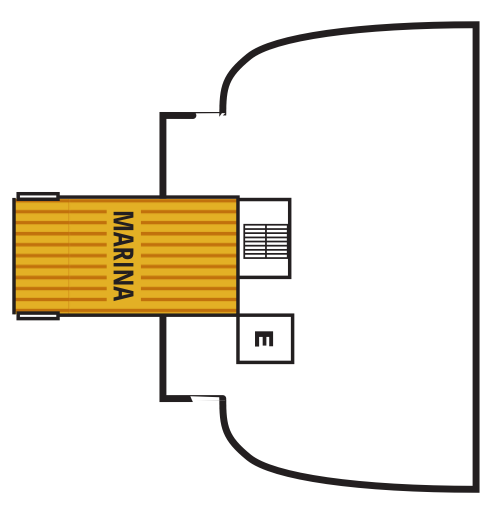
Marina and complimentary watersports, Caviar in the Surf beach barbeques
Gratuities are neither required, nor expected
Seabourn Conversations with visionary experts
Selected wines and spirits on-board
Luxurious, all-suite accommodation
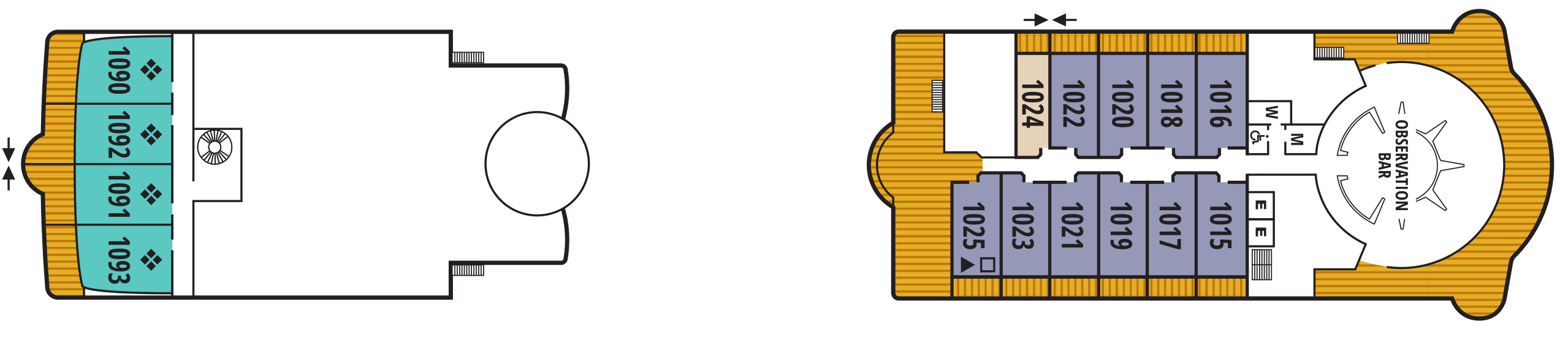
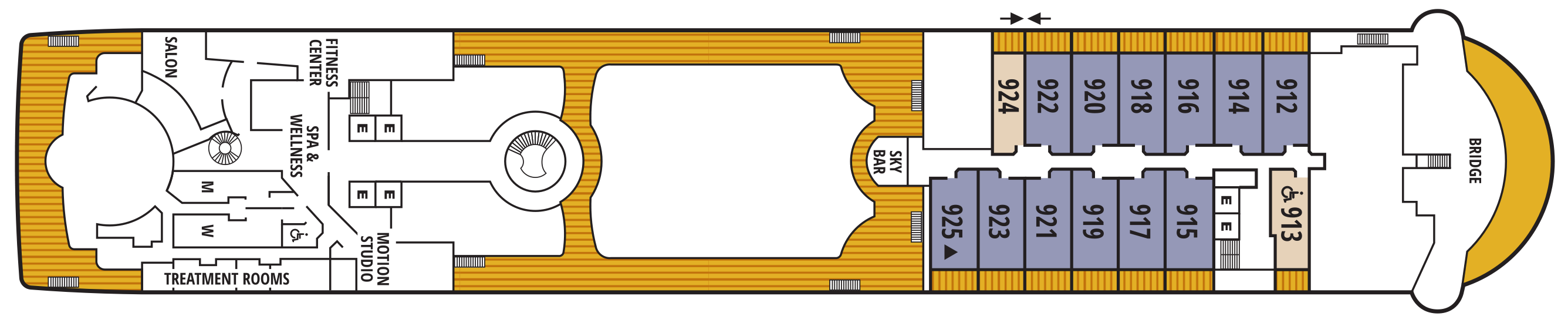
Explore Seabourn Quest
Seabourn Quest Cabins & Suites


Grand Wintergarden Suite
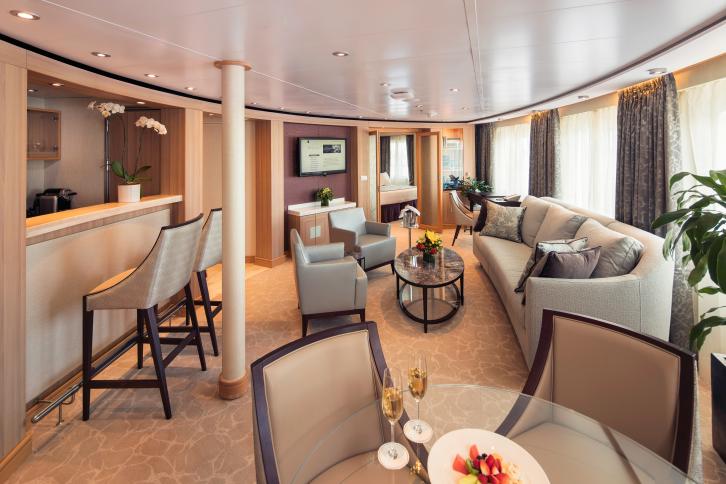
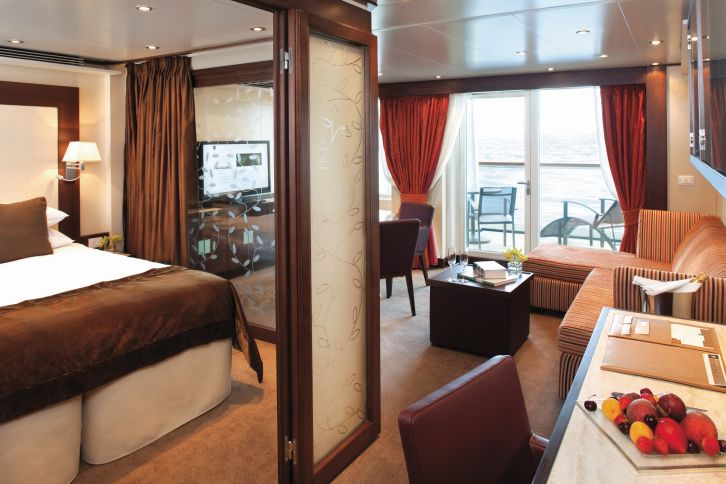
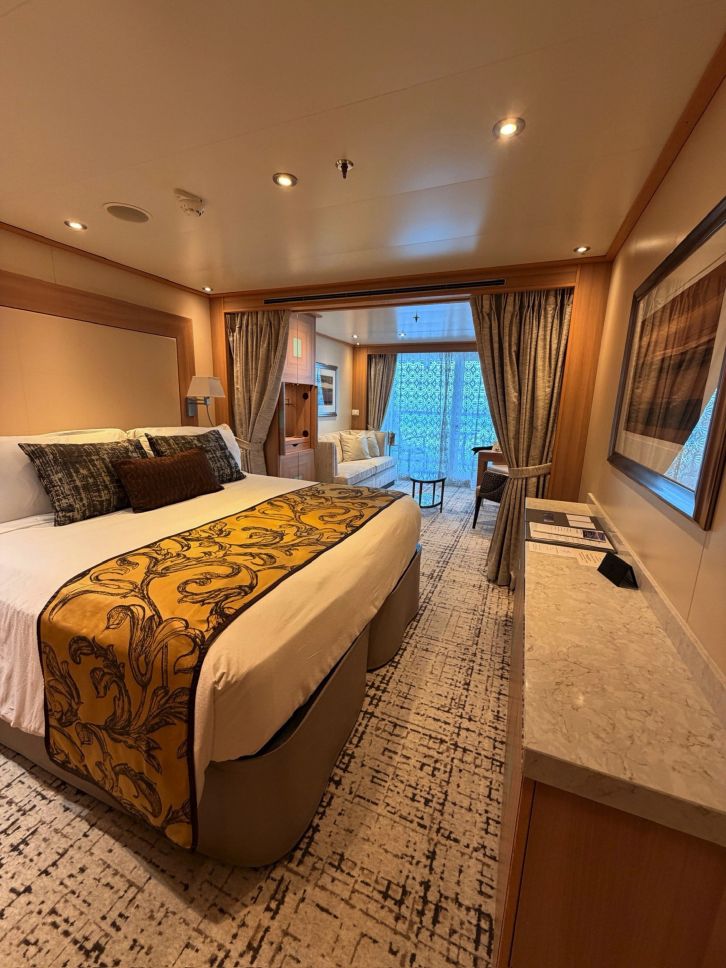
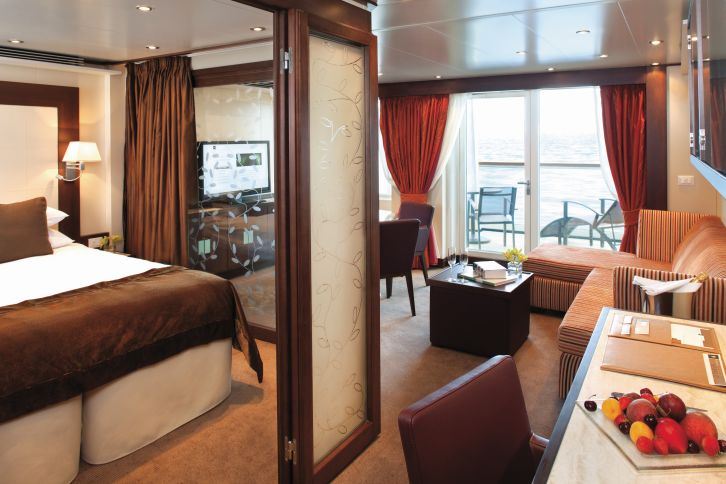
Suites on board feature a comfortable living area, private veranda, queen-size-bed or two twin beds; walk-in closet with personal safe, interactive flat-screen TV with music and movies, fully stocked bar and refrigerator, writing desk with personalized stationary, makeup vanity, spacious bathroom with separate tub and shower, plush robes, slippers hair dryer and 110/220V AC outlets.
Grand Wintergarden Suites feature:
- Large windows
- Dining for four
- Glass-enclosed solarium with tub and day bed
- Bathroom with whirlpool bathtub
- Guest bath
- Two bedrooms
- Convertible sofa bed for one
- Pantry with wet bar
- Two flat-screen TVs
- Complimentary Internet/Wi-Fi service
FLOORPLANS
Facilities
- Second Bedroom
- Sofa Bed
- Shower
- Bath
- Whirlpool Bath
- Suite Benefits
- TV
- Free Wi-Fi
- Safe
- Hair Dryer
- Queen or Twin Configuration
- Lounge Area
- Dining Area
- Vanity Area
- Toiletries Provided
- Full Bar
- Desk
- Room Service Available
- Telephone
- Air Conditioning
Wintergarden Suite
Suites on board feature a comfortable living area, private veranda, queen-size-bed or two twin beds; walk-in closet with personal safe, interactive flat-screen TV with music and movies, fully stocked bar and refrigerator, writing desk with personalized stationary, makeup vanity, spacious bathroom with separate tub and shower, plush robes, slippers hair dryer and 110/220V AC outlets.
Wintergarden Suites feature:
- Large windows
- Dining for four
- Bathroom with whirlpool bathtub
- Guest bath
- Convertible sofa bed for one
- Pantry with wet bar
- Glass-enclosed solarium with tub and day bed
- Two closets
- Two flat-screen TVs
- Complimentary Internet/Wi-Fi service
FLOORPLANS
Facilities
- Queen or Twin Configuration
- Shower
- Bath
- Whirlpool Bath
- TV
- Free Wi-Fi
- Safe
- Hair Dryer
- Sofa Bed
- Lounge Area
- Dining Area
- Vanity Area
- Toiletries Provided
- Suite Benefits
- Full Bar
- Desk
- Room Service Available
- Telephone
- Air Conditioning
Signature Suite
Suites on board feature a comfortable living area, private veranda, queen-size-bed or two twin beds; walk-in closet with personal safe, interactive flat-screen TV with music and movies, fully stocked bar and refrigerator, writing desk with personalized stationary, makeup vanity, spacious bathroom with separate tub and shower, plush robes, slippers hair dryer and 110/220V AC outlets.
Signature Suites feature:
- Expansive ocean views
- Forward-facing windows
- Dining for four to six
- Bathroom with whirlpool bathtub
- Guest bath
- Pantry with wet bar
- Two flat-screen TVs
- Complimentary Internet/Wi-Fi service
FLOORPLANS
Facilities
- Queen or Twin Configuration
- Shower
- Bath
- Whirlpool Bath
- TV
- Free Wi-Fi
- Safe
- Hair Dryer
- Suite Benefits
- Room Service Available
- Telephone
- Lounge Area
- Dining Area
- Toiletries Provided
- Vanity Area
- Full Bar
- Desk
- Air Conditioning
Owner's Suite
Suites on board feature a comfortable living area, private veranda, queen-size-bed or two twin beds; walk-in closet with personal safe, interactive flat-screen TV with music and movies, fully stocked bar and refrigerator, writing desk with personalized stationary, makeup vanity, spacious bathroom with separate tub and shower, plush robes, slippers hair dryer and 110/220V AC outlets.
Owner's Suite features
- Expansive ocean views
- Glass door to private veranda
- Comfortable living area
- Separate bedroom
- Queen-size bed or two twin beds
- Walk-in closet
- Dining for four
- Pantry with wet bar
- Two flat-screen TVs
- Complimentary Internet/Wi-Fi service.
- Guest bath
- Makeup vanity
- Bathroom with whirlpool bathtub
*Wheelchair accessible suites are roll-in shower only.
FLOORPLANS
Facilities
- Queen or Twin Configuration
- Shower
- Bath
- TV
- Free Wi-Fi
- Safe
- Hair Dryer
- Lounge Area
- Dining Area
- Vanity Area
- Whirlpool Bath
- Toiletries Provided
- Suite Benefits
- Full Bar
- Desk
- Room Service Available
- Telephone
- Air Conditioning
Penthouse Spa Suite
Suites on board feature a comfortable living area, private veranda, queen-size-bed or two twin beds; walk-in closet with personal safe, interactive flat-screen TV with music and movies, fully stocked bar and refrigerator, writing desk with personalized stationary, makeup vanity, spacious bathroom with separate tub and shower, plush robes, slippers hair dryer and 110/220V AC outlets.
All Penthouse Spa Suite feature:
- A full-length window
- Glass door to private veranda
- Comfortable living area
- Separate bedroom
- Queen-size bed or two twin beds
- Dining table for two to four
- Walk-in closet
- Two flat-screen TVs
- Fully stocked bar and refrigerator
- Makeup vanity
- Spacious bathroom with separate tub and shower
*Wheelchair accessible suites are roll-in shower only.
FLOORPLANS
Facilities
- Queen or Twin Configuration
- Lounge Area
- Bath
- TV
- Safe
- Hair Dryer
- Dining Area
- Vanity Area
- Shower
- Toiletries Provided
- Room Service Available
- Suite Benefits
- Full Bar
- Free Wi-Fi
- Telephone
- Desk
- Air Conditioning
Penthouse Suite
All Penthouse Suites on board feature a comfortable living area, glass door to private veranda, queen-size-bed or two twin beds; walk-in closet with personal safe, two flat-screen TV with music and movies, fully stocked bar and refrigerator, writing desk with personalized stationary, makeup vanity, spacious bathroom with separate tub and shower, plush robes, slippers hair dryer and 110/220V AC outlets
All Penthouse Suite feature
- Dining table for two to four
- Separate bedroom
- Glass door to veranda
- Two flat-screen TVs
- Fully stocked bar
- Spacious bathroom with tub, shower and large vanity
FLOORPLANS
Facilities
- Queen or Twin Configuration
- Shower
- TV
- Safe
- Hair Dryer
- Lounge Area
- Dining Area
- Vanity Area
- Toiletries Provided
- Suite Benefits
- Full Bar
- Room Service Available
- Telephone
- Desk
- Air Conditioning
Veranda Suite
All Veranda Suites feature a full-length window and glass door to private veranda, comfortable living area, queen-size bed or two twin beds, dining table for two, walk-in closet, interactive flat-screen television with music and movies, fully stocked bar and refrigerator, makeup vanity, spacious bathroom with separate tub and shower.
All Veranda Suites feature:
- A full-length window
- Glass door to private veranda
- Comfortable living area
- Queen-size bed or two twin beds
- Dining table for two
- Walk-in closet
- Interactive flat-screen television with music and movies
- Fully stocked bar
- Makeup vanity
- Spacious bathroom with separate tub and shower
*Wheelchair accessible suites are roll-in shower only.
FLOORPLANS
Facilities
- Queen or Twin Configuration
- Shower
- TV
- Safe
- Hair Dryer
- Lounge Area
- Toiletries Provided
- Suite Benefits
- Full Bar
- Room Service Available
- Telephone
- Desk
- Media/Entertainment Station
- Air Conditioning
Ocean View Suite
All Ocean View Suites feature a large picture window, comfortable living area, queen-size bed or two twin beds, dining table for two, walk-in closet, interactive flat-screen television with music and movies, fully stocked bar and refrigerator, makeup vanity, spacious bathroom with separate tub and shower. Approximately 295 sq. ft. (28 sq.m.) of inside space
- A large picture window
- Comfortable living area
- Queen-size bed or two twin beds
- Dining table for two
- Walk-in closet
- Interactive flat-screen television with music and movies
- Fully stocked bar and refrigerator
- Makeup vanity, spacious bathroom with separate tub and shower
*Wheelchair accessible suites are roll-in shower only.
FLOORPLANS
Facilities
- Queen or Twin Configuration
- Shower
- Bath
- TV
- Safe
- Hair Dryer
- Lounge Area
- Dining Area
- Vanity Area
- Toiletries Provided
- Suite Benefits
- Full Bar
- Wi-Fi (Additional Cost)
- Room Service Available
- Telephone
- Desk
Penthouse Suite Guarantee
Approximately 436 square feet (41 square meters) of inside space, plus one veranda of 98 square feet (9 square meters)
Guaranteed Suite: For this option we select the location and specific suite for you, and notify you prior to departure. Guests are guaranteed to be assigned a suite in the category selected or higher.
All Penthouse Suite feature:
- Dining table for two to four
- Separate bedroom
- Glass door to veranda
- Two flat-screen TVs
- Fully stocked bar
- Spacious bathroom with tub, shower and large vanity
FLOORPLANS
Facilities
- Bath
- Queen or Twin Configuration
- Lounge Area
- Dining Area
- Vanity Area
- Shower
- Toiletries Provided
- Room Service Available
- Suite Benefits
- Full Bar
- TV
- Safe
- Hair Dryer
- Telephone
- Desk
- Air Conditioning
Veranda Guarantee
All Veranda Suites feature a full-length window and glass door to private veranda, comfortable living area, queen-size bed or two twin beds, dining table for two, walk-in closet, interactive flat-screen television with music and movies, fully stocked bar and refrigerator, makeup vanity, spacious bathroom with separate tub and shower.
Guaranteed Suite: For this option we select the location and specific suite for you, and notify you prior to departure. Guests are guaranteed to be assigned a suite in the category selected or higher.
Facilities
- Bath
- Queen or Twin Configuration
- Lounge Area
- Shower
- Toiletries Provided
- Room Service Available
- Full Bar
- TV
- Free Wi-Fi
- Safe
- Hair Dryer
- Telephone
- Desk
- Air Conditioning
- Suite Benefits
- Media/Entertainment Station
Single Outside Guarantee
All Ocean View Suites feature a large picture window, comfortable living area, queen-size bed or two twin beds, dining table for two, walk-in closet, interactive flat-screen television with music and movies, fully stocked bar and refrigerator, makeup vanity, spacious bathroom with separate tub and shower. Approximately 295 sq. ft. (28 sq.m.) of inside space
Guaranteed Suite: For this option we select the location and specific suite for you, and notify you prior to departure. Guests are guaranteed to be assigned a suite in the category selected or higher.
Facilities
- Bath
- Queen or Twin Configuration
- Lounge Area
- Dining Area
- Vanity Area
- Shower
- Toiletries Provided
- Room Service Available
- Suite Benefits
- Full Bar
- TV
- Free Wi-Fi
- Safe
- Hair Dryer
- Telephone
- Desk
- Air Conditioning
Suite Guarantee
Guaranteed Suite: For this option we select the location and specific suite for you, and notify you prior to departure. Guests are guaranteed to be assigned a suite in the category selected or higher.
Facilities
- Bath
- Queen or Twin Configuration
- Lounge Area
- Shower
- Toiletries Provided
- Room Service Available
- Full Bar
- TV
- Free Wi-Fi
- Safe
- Hair Dryer
- Telephone
- Desk
- Air Conditioning
- Suite Benefits
Meet Our Luxury Cruise Concierge
Our luxury cruise concierge have been on board a vast array of the finest ships at sea and are always happy to share their first-hand experiences to help curate your dream ultra-luxury voyage. From advising you on the best cruise lines and ships to helping you select from a variety of phenomenal destinations and itineraries, your dedicated concierge is on hand to ensure booking your next cruise is as seamless, smooth and tailored to you as possible.