
 14 Aug 2026
 25 Nights
 MS Fridtjof Nansen
 Arctic
Just call our team of cruise specialists to help build your dream cruise holiday today!
CALL FOR FREE ON
0808 202 6105
-banner_half.jpg)

-banner_half.jpg)
-banner_half.jpg)


14 Aug 2026
15 Aug 2026
16 Aug 2026
17 Aug 2026
18 Aug 2026
19 Aug 2026
20 Aug 2026
21 Aug 2026
22 Aug 2026
22 Aug 2026
23 Aug 2026
24 Aug 2026
25 Aug 2026
25 Aug 2026
26 Aug 2026
27 Aug 2026
28 Aug 2026
29 Aug 2026
30 Aug 2026
31 Aug 2026
01 Sep 2026
02 Sep 2026
03 Sep 2026
04 Sep 2026
05 Sep 2026
06 Sep 2026
07 Sep 2026
08 Sep 2026
This holiday is generally suitable for persons with reduced mobility. For customers with reduced mobility or any medical condition that may require special assistance or arrangements to be made, please notify your Cruise Concierge at the time of your enquiry, so that we can provide specific information as to the suitability of the holiday, as well as make suitable arrangements with the Holiday Provider on your behalf.
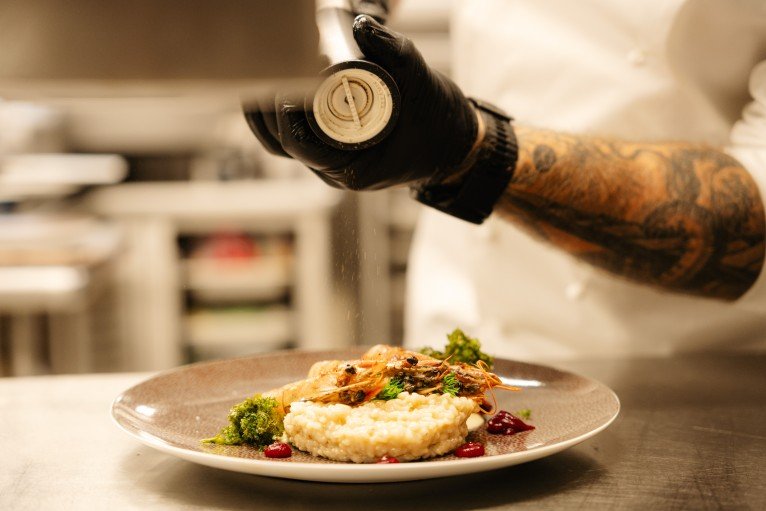
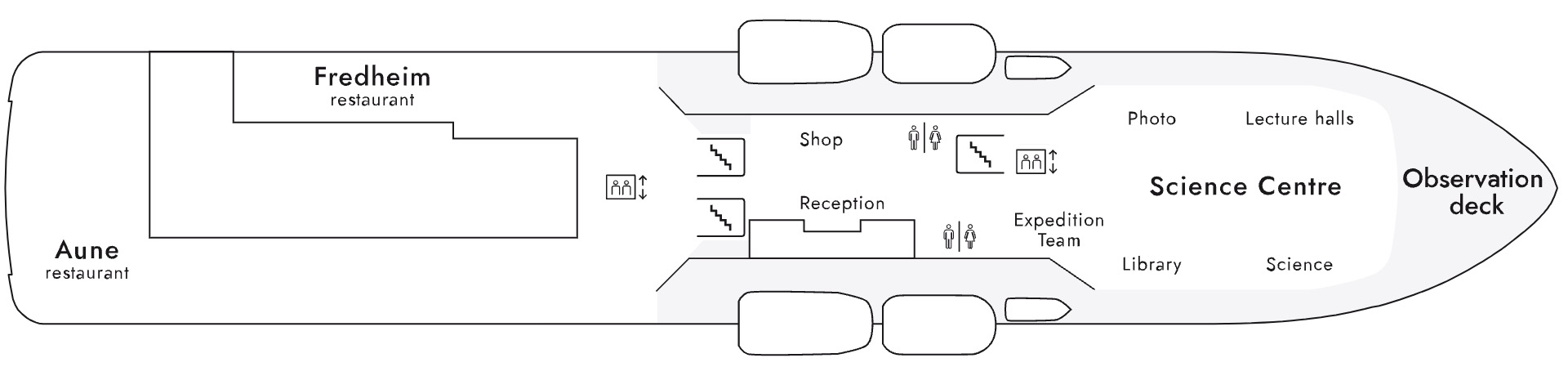
A speciality restaurant named after Adolf Lindstrøm, the favourite chef of the Norwegian polar heroes. Fine dining in Restaurant Lindstrøm is included for suite guests. Non-suite guests can enjoy breakfast, lunch and dinner in Lindstrøm for an additional cost.
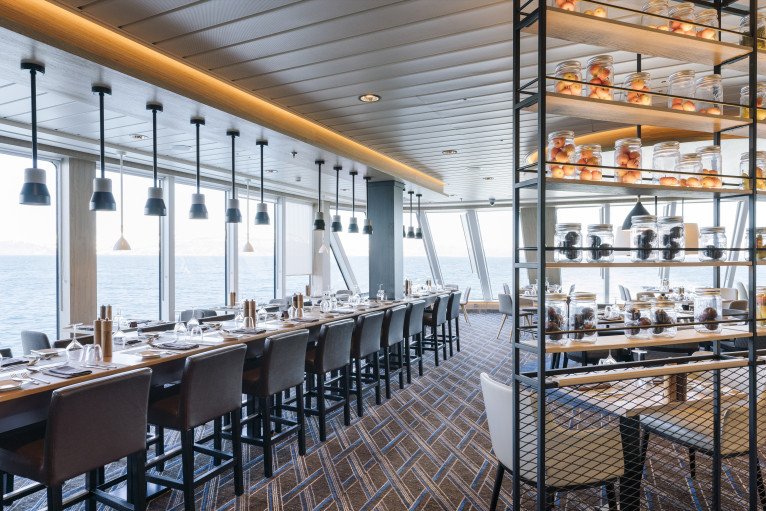
Named after the Norwegian ship chandler and polar expedition supplier Tinus Aune.
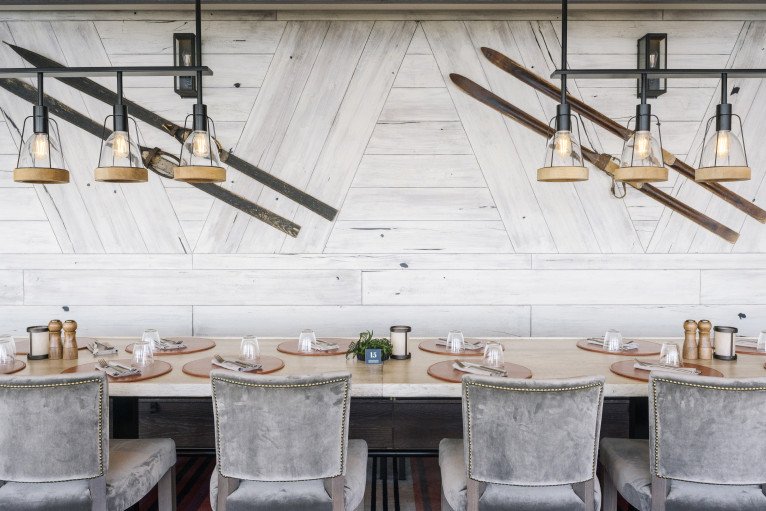
The ships’ informal and social meeting place – named after a 1900s hunting station on Svalbard.
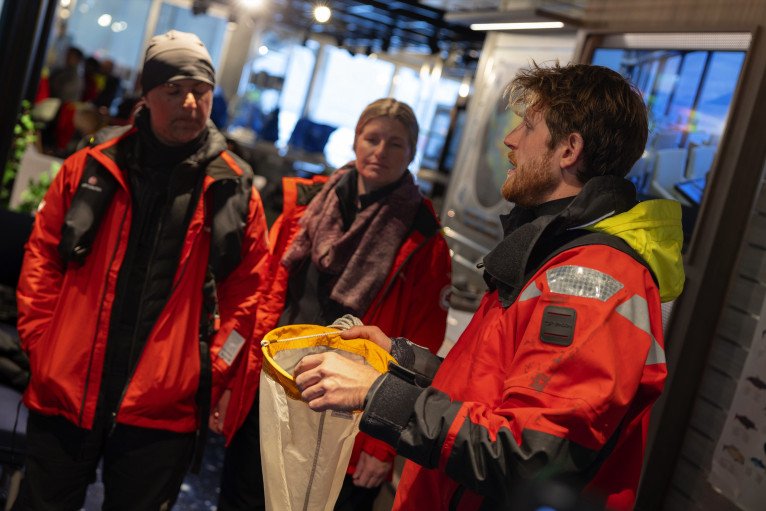
We offer a rich and varied program of optional shore excursions. In many ports, we offer an included excursion, which can be reserved for no additional charge. In many cases the included excursion can be combined with other optional excursions in the port. Most excursions can be pre-booked but may also be bookable onboard if capacity remains.
We advise that you book well in advance in order to avoid disappointment due to the excursion being fully booked. Please note that registration is binding, and once on board the Expedition Team will advise you of booking deadlines for excursions still available. Our excursions have English speaking guides unless otherwise indicated and other languages cannot be guaranteed unless otherwise specified. Excursions are subject to change and possible cancellation due to weather conditions. They are also dependent on the number of participants.
All expedition shore landings and small boat cruising during our exploration of Antarctica are included the programme. Along with the optional excursions available to book, the Expedition Team also arrange a variety of activities during the voyage. These will depend on location and season, but may include hiking, small boat cruising, kayaking, snowshoeing, or camping. A limited amount of kayaking is available for booking prior to select voyages, but all other activities are booked on board and subject to availability.
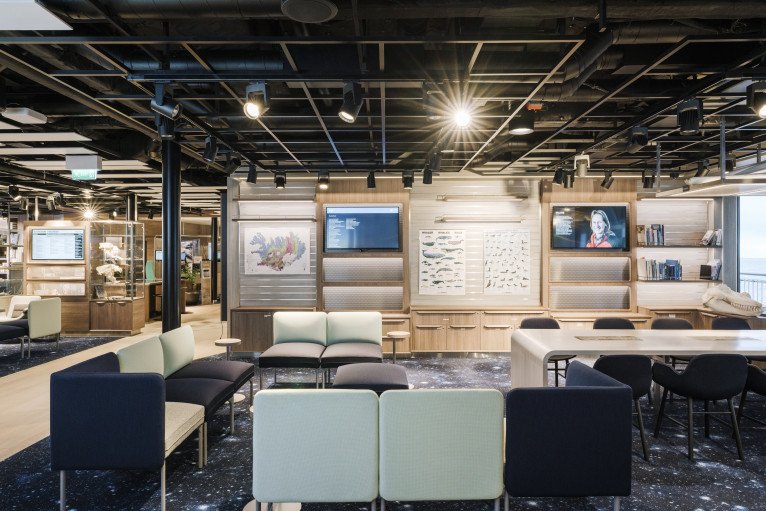
The Science & Education program brings together like-minded individuals
Covering over 3/4 of the planet's surface, our oceans are vital in supporting human life on earth and are also home to over 90% of all known wildlife. Despite it influencing everything from our weather to transportation and yes, expedition cruises, very little is known about our blue planet.
This is where HX Expeditions and our fleet of small, state-of-the-art Expedition ships come in. We can reach, explore and collect vital scientific data on some of the planet’s most remote regions. From understanding whale migrations and phytoplankton communities to cloud observations and the Northern Lights, our onboard Science & Education Teams - with the help of you, our guests - captures, analyses, and reports invaluable data to organisations and research projects around the world.
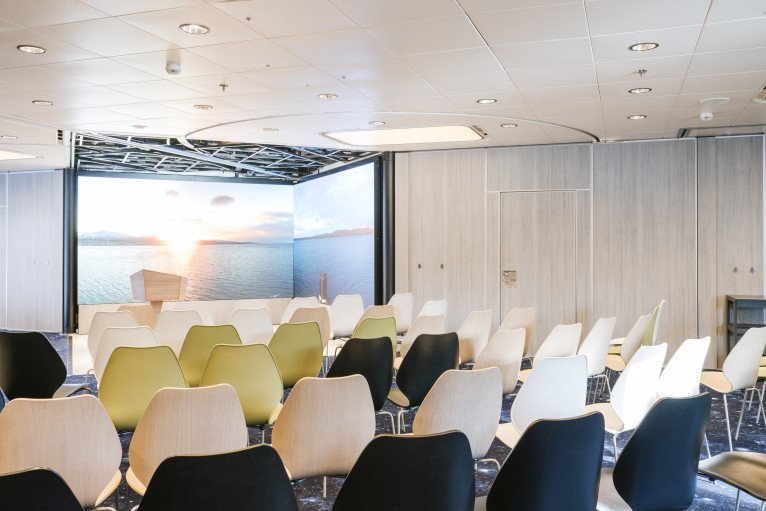
In-depth talks on history, climate change, sustainability, wildlife, Earth science, culture, and other topics specific to the destination you are visiting are held here. Learning more about each subject is certain to enhance your expedition experience.
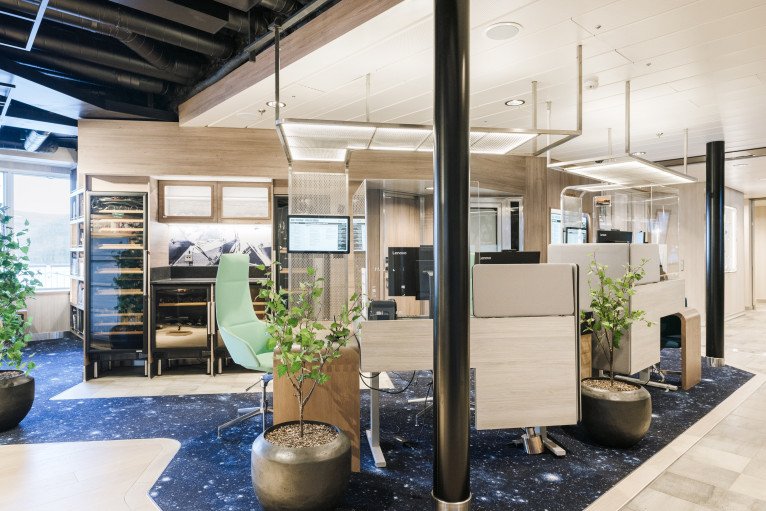
Each expedition voyage is accompanied by a hand-picked team of specialists and modern-day explorers. Highly experienced, passionate and knowledgeable, the Expedition Team will be your guides and guardians on your voyage of exploration, instructing you on safety, sustainability and science.
MS Fridtjof Nansen will feature a variety of custom built expedition equipment, including kayaks, a fleet of Blueye underwater drones and Expedition Boats for safe landings in remote areas.
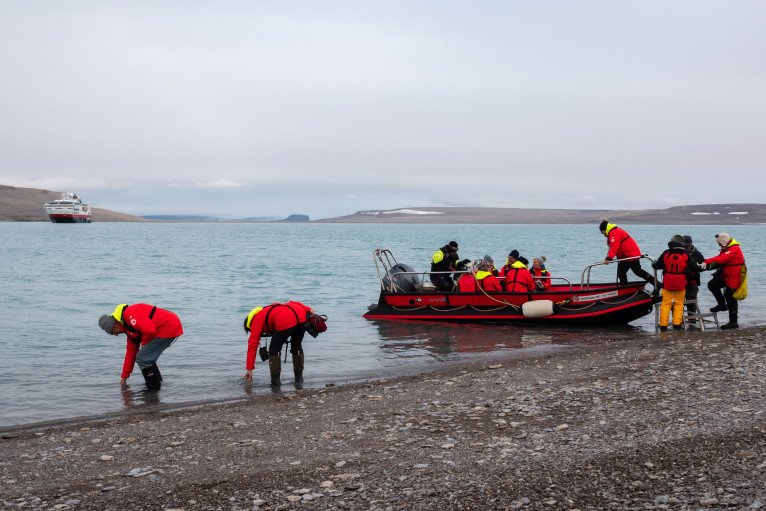
The Expedition Launch Pad can be found on Deck 3.
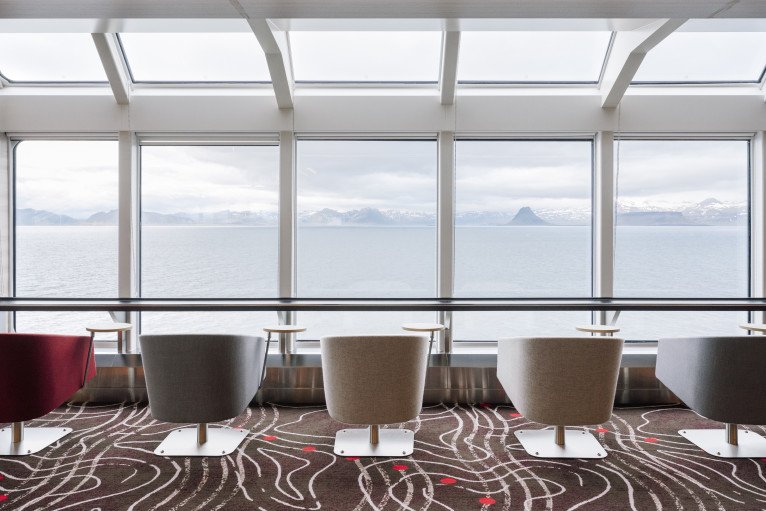
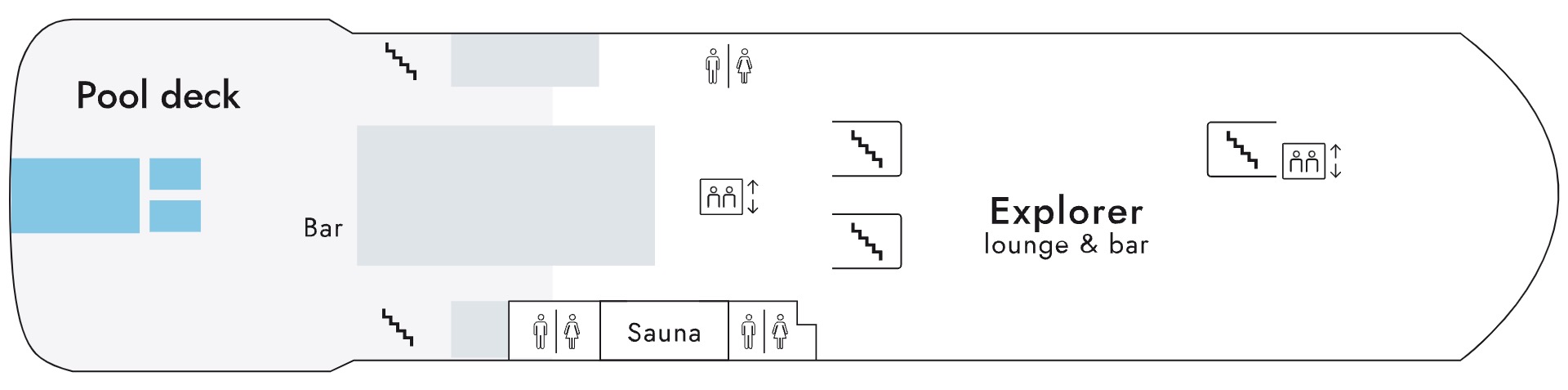
Relax and rejuvenate in the elegant Explorer lounge & bar. Sink into a comfortable armchair and gaze out at the magnificent views through the floor-to-ceiling windows.
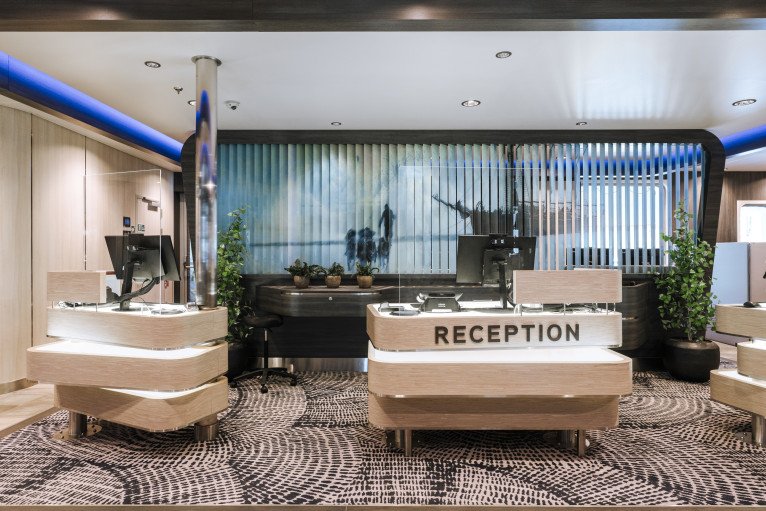
The Reception can be found on Deck 6.
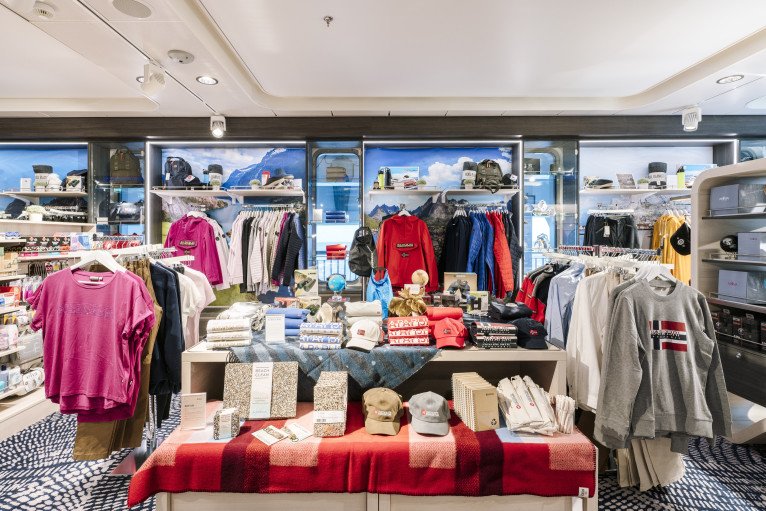
In our on board shop you can buy modern clothing suitable for Expedition cruis. Our Expedition Team will be happy to give you expert advice on how to dress properly in polar areas. We offer a great range of both warm and practical clothing, and we focus fabrics with natural fibres. We also offer souvenirs, handicrafts, and postcards. In addition, we also stock a small selection of soap, toothpaste and other personal effects.
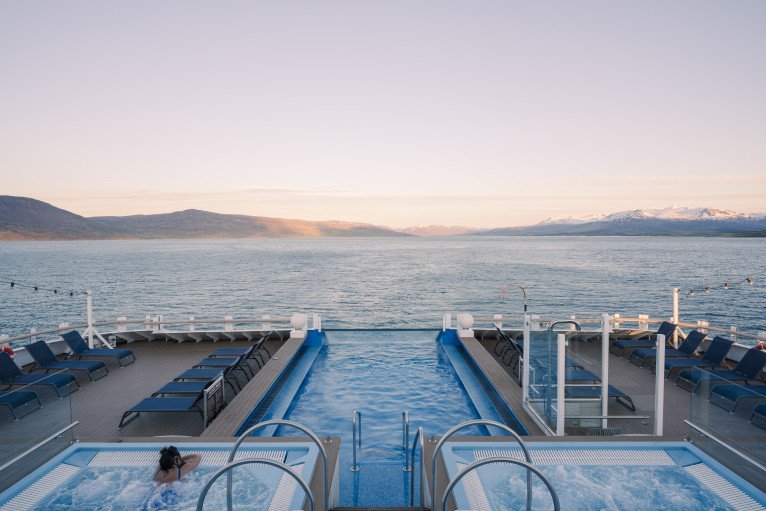
The Pool Deck can be found on Deck 10.
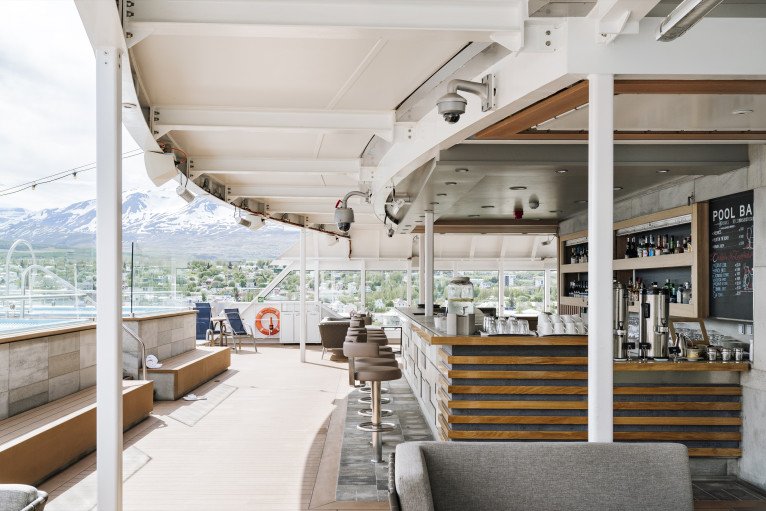
The Pool Bar can be found on Deck 10.
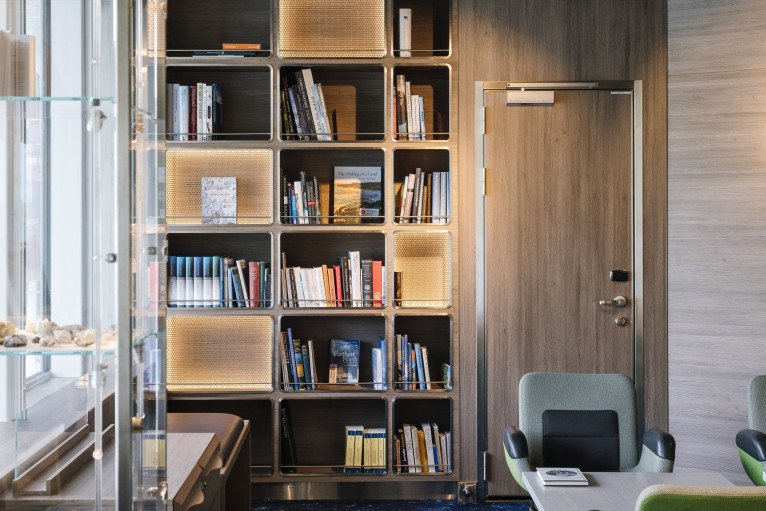
The ship has a small selection of books that are available to guests while on board.
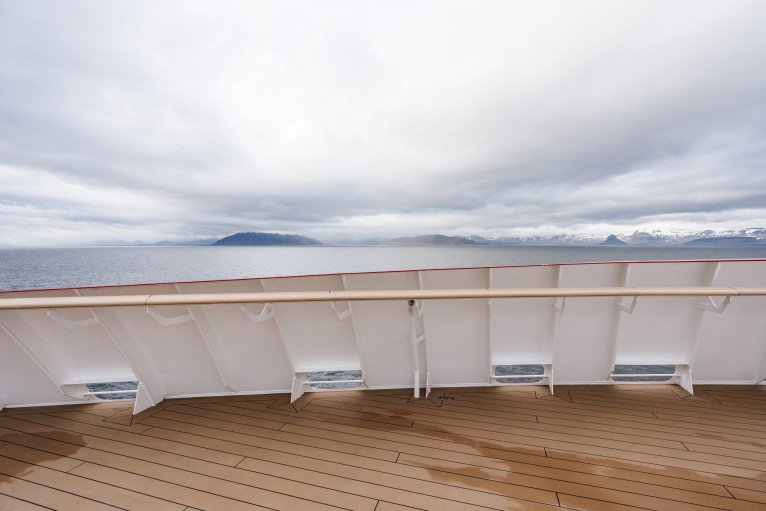
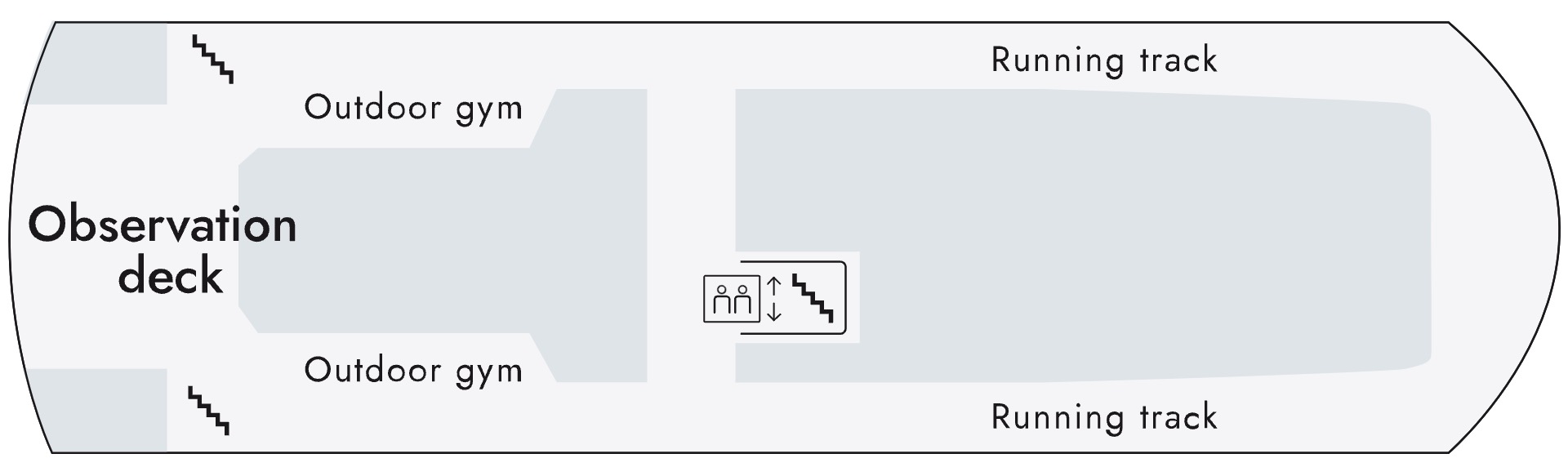
One of the most eye-catching exterior design features is the two level indoor/outdoor Observation Deck. It is an ideal place to scan the scenery and watch wildlife with your binoculars.
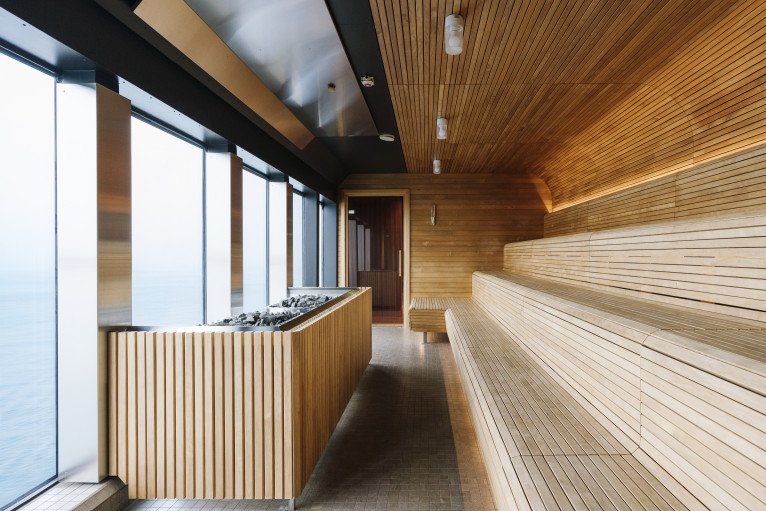
The ship has a wellness center where the guests may buy treatments as body massage, face-, hand- and foot treatments.
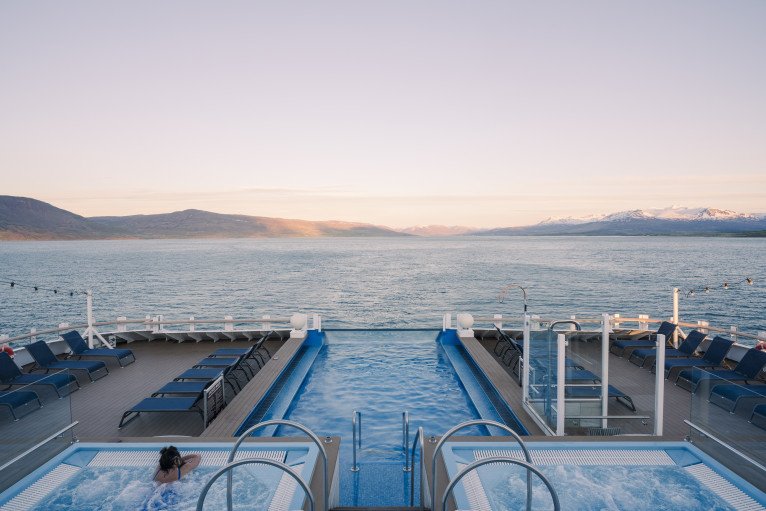
After a day of exploring new destinations, guests can relax and rejuvenate in the aft infinity pool and hot tubs as one of the highlights.
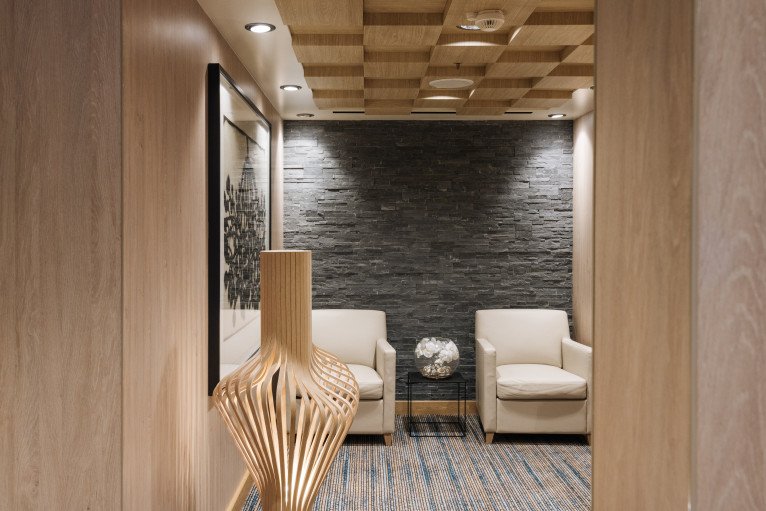
The ship has a wellness center where the guests may buy treatments as body massage, face, hand and foot treatments.
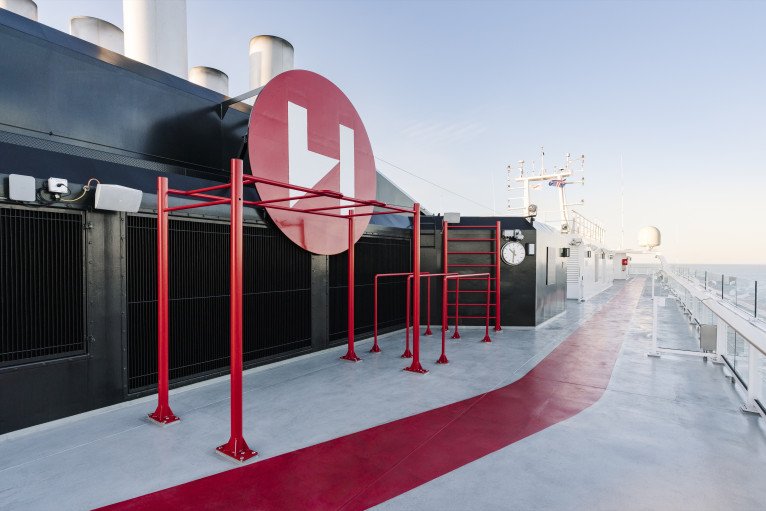
After a day of exploring new destinations, guests can relax and rejuvenate in the large gym and Wellness center.
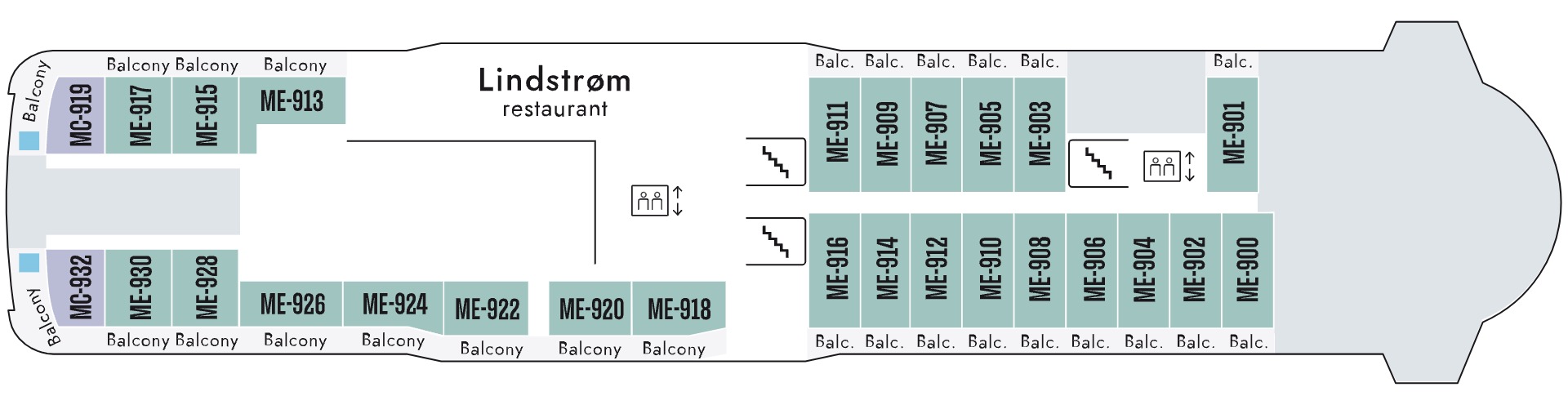
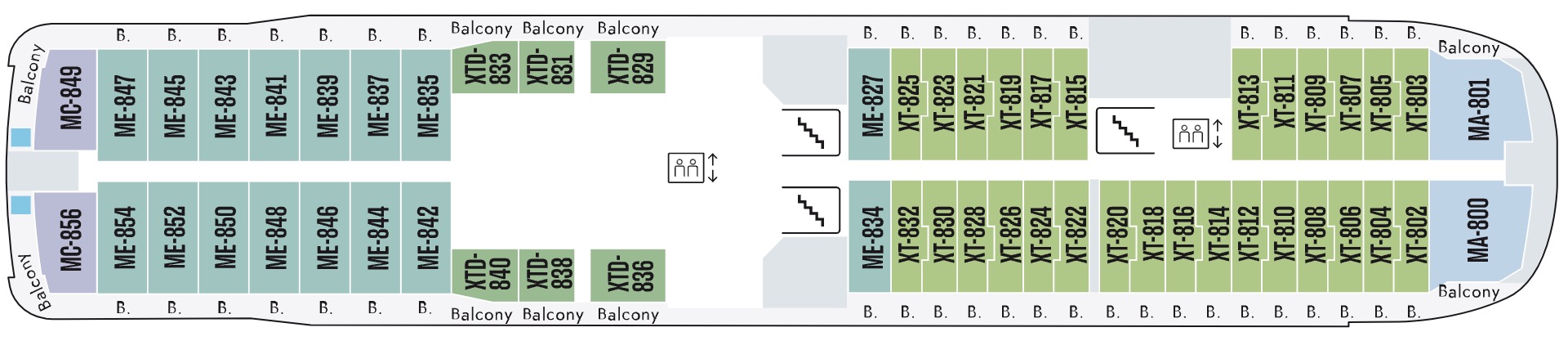




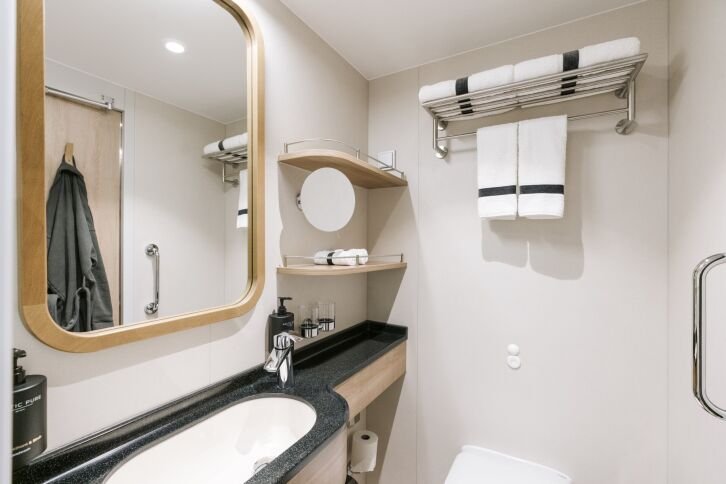
High deck cabins with balcony. Spacious cabins, different sizes, double bed, some with sofabed, TV, kettle, tea and coffee.
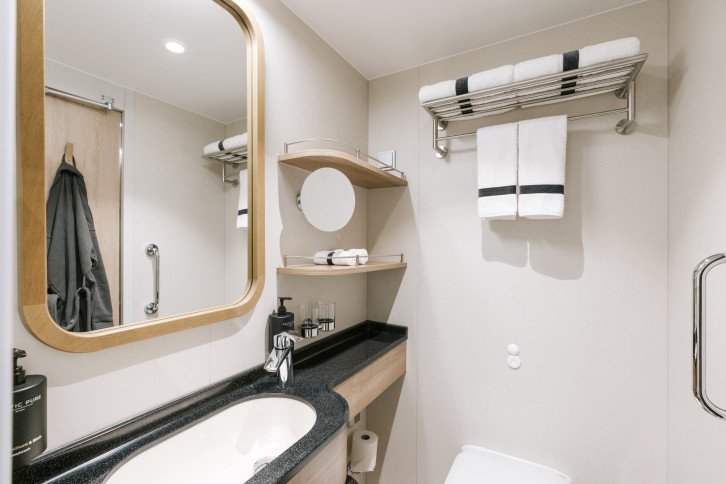
Large cabins without balcony. Lower/middle decks, flexible sleeping arrangements, sofabed, TV, kettle, tea and coffee.
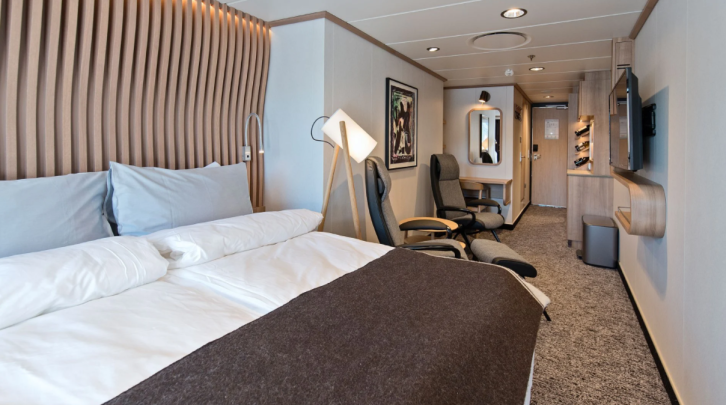
High deck cabins with balcony. Spacious cabins, different sizes, flexible sleeping arrangements with double bed that can be divided into two single beds, some with sofabed, TV, kettle, tea and coffee. With limited view.
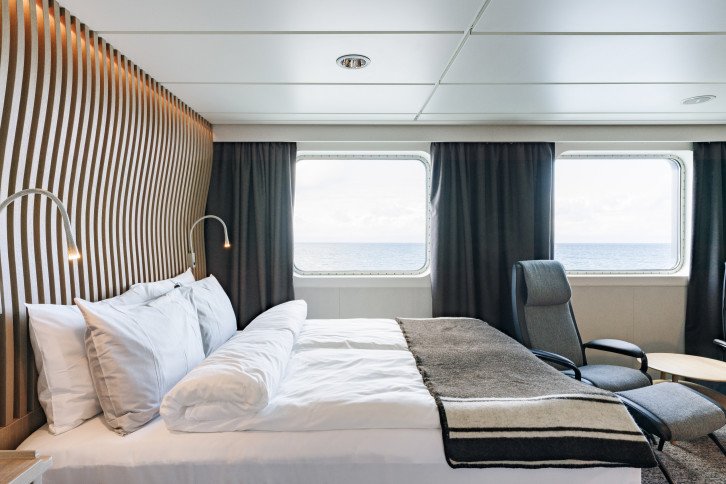
Large lower-deck cabin
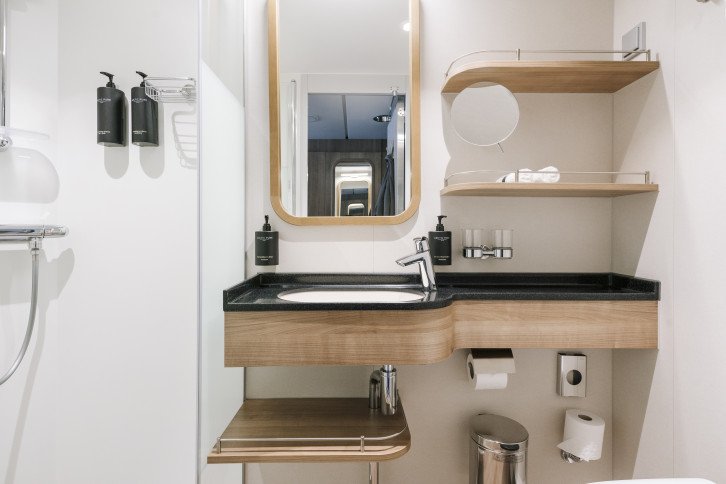
Larger cabins on middle decks. Most 20 square meters, flexible sleeping arrangements, some with sofabed, TV.
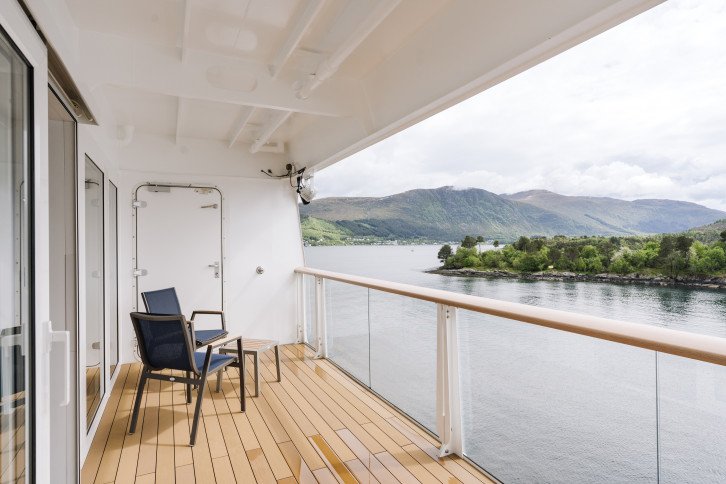
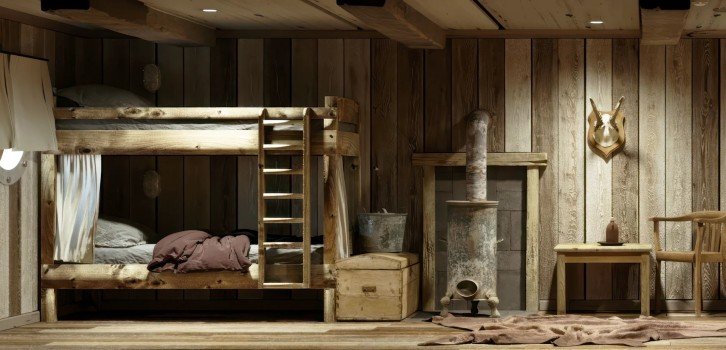
130 years ago, at the dawn of expedition cruising, we set out from Hammerfest to Svalbard on a pioneering voyage – one that sparked the spirit of exploration that still carries us forward today.
To mark this anniversary, we invite guests travelling aboard MS Fridtjof Nansen to step back in time and live as the pioneers did, for one night only.
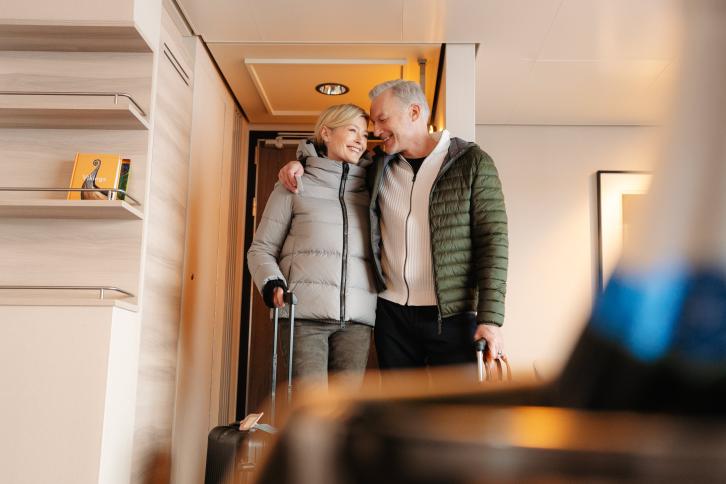
Extra Large Corner Suite with private balcony. Ship’s most spacious cabins with large windows, flexible sleeping arrangements with double bed that can be divided into two single beds, sofabed, TV, minibar, bathrobe, kettle, tea and coffee, espresso maker.
Extra-large upper-deck corner suite
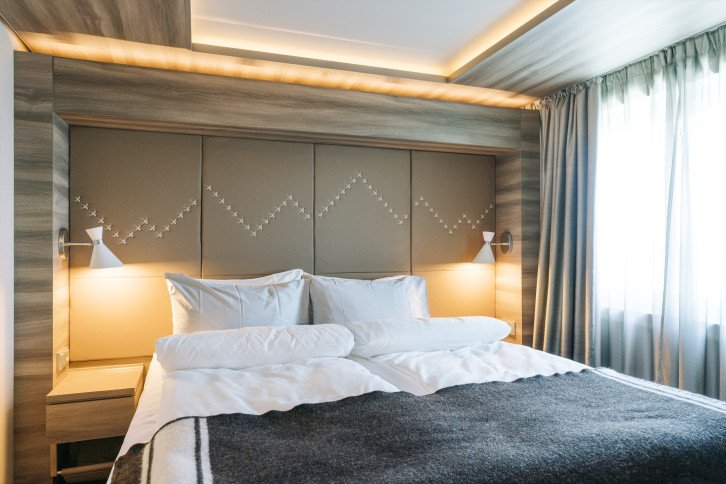
Extra Large Corner Suite without balcony. Aft corner suite with sofabed, flexible sleeping arrangements with double bed that can be divided into two single beds, large windows, TV, minibar, bathrobe, kettle, tea and coffee, espresso maker.
Extra-large lower-deck corner suite
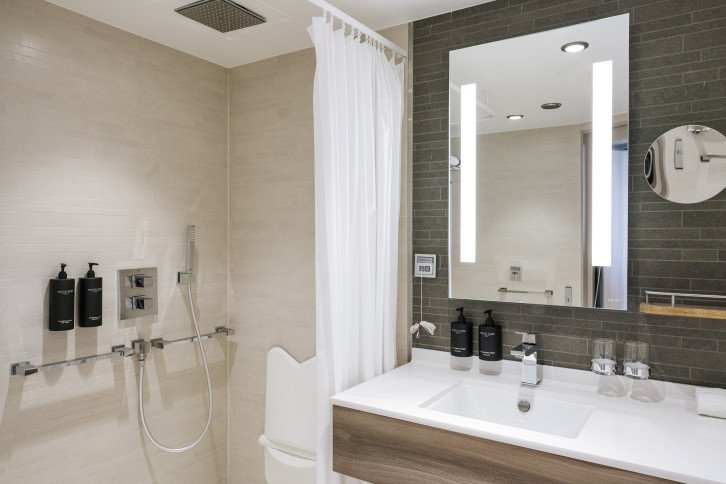
Large Corner Suite with private balcony, flexible sleeping arrangements, sofabed, TV, minibar, bathrobe, kettle, espresso maker. Adapted for guests with wheelchair.
Large upper-deck corner suite
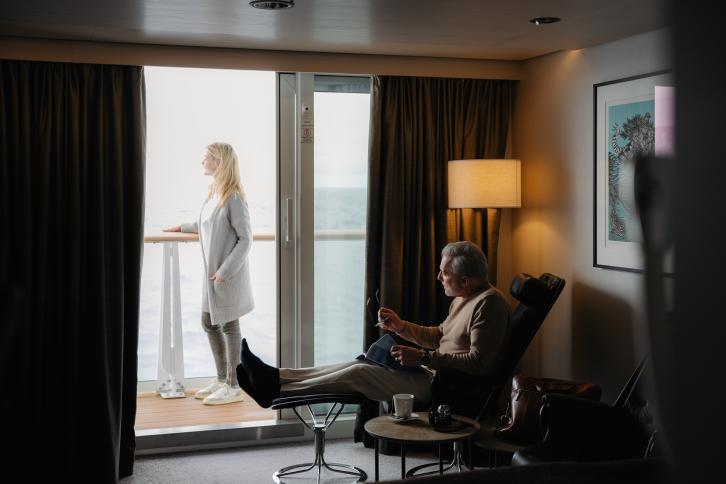
Suites with private balcony, different sizes, top-high decks, flexible sleeping arrangements, some with sofabed, TV, minibar, bathrobe, kettle, tea and coffee, espresso maker.
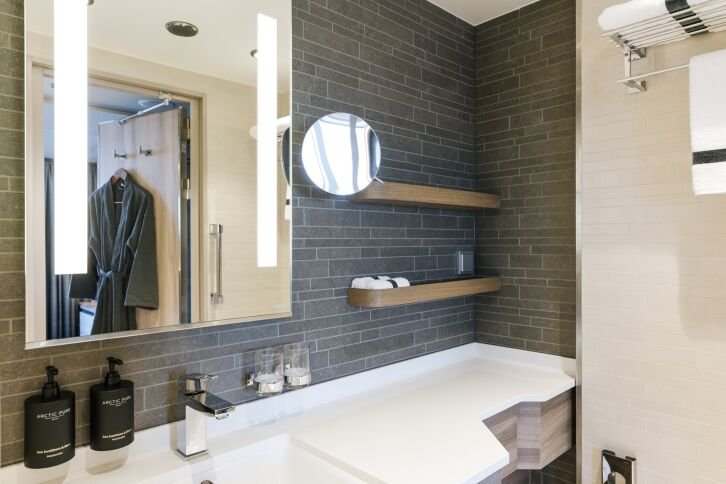
Corner cabin with large windows. Flexible sleeping arrangements, TV, minibar, bathrobe, kettle, tea and coffee, espresso maker. Without balcony.
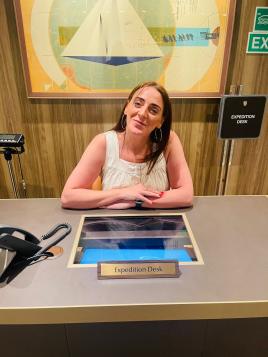
Specialist Cruise Concierge and Expedition Specialist
Sales Manager for SixStarCruises
Senior Specialist Cruise Concierge and Expedition Specialist
Specialist Cruise Concierge and Expedition Specialist
-(1)-concierge_home.jpg)
Specialist Cruise Concierge and Expedition Specialist

Specialist Cruise Concierge and Expedition Specialist
Senior Cruise Concierge and Expedition Specialist
Specialist Cruise Concierge and Expedition Specialist
Specialist Cruise Concierge and Expedition Specialist
Specialist Cruise Concierge and Expedition Specialist
Specialist Cruise Concierge and Expedition Specialist
Specialist Cruise Concierge and Expedition Specialist
-large_thumb.jpg)


 View more images


-banner_full.JPG)


-banner_full.jpeg)
-banner_full.JPG)
-banner_full.jpeg)


-(1)-banner_full.jpg)


-banner_full.jpg)
-banner_full.jpg)

-banner_full.jpg)

-(1)-concierge_full.jpg)